Cooking with the right oil can make all the difference in the flavor and texture of your dishes. With so many types of cooking oils available, it can be overwhelming to decide which one to use. One key factor to consider is the smoke point of the oil, which is the temperature at which it begins to break down and smoke. This is important because it can affect the nutritional value and taste of your food.
A smoke point of cooking oils printable chart can be a valuable tool in the kitchen, helping you to quickly and easily determine which oils are suitable for different cooking methods. From sautéing and frying to baking and making salad dressings, the right oil can enhance the flavor and nutritional value of your dishes. In this article, we’ll explore the importance of smoke points and provide you with a handy printable chart to guide your cooking.
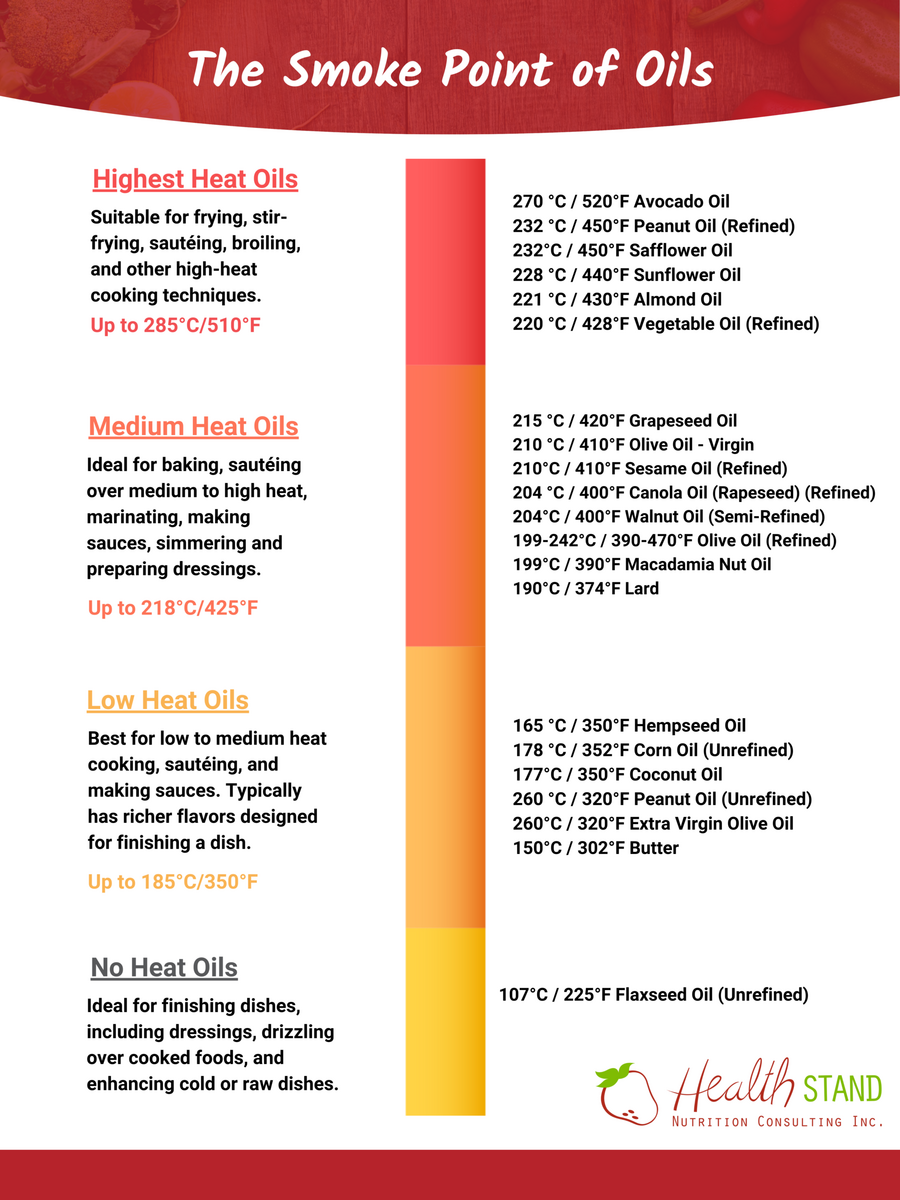
The Smoke Point Of Oils Which Cooking Oil For What
Understanding Smoke Points
Understanding smoke points is crucial for any home cook or professional chef. The smoke point of an oil is the temperature at which it begins to degrade and smoke, which can lead to an unpleasant taste and aroma. Different oils have different smoke points, ranging from relatively low temperatures for delicate oils like flaxseed and walnut oil, to high temperatures for more robust oils like avocado and grapeseed oil. By understanding the smoke points of different oils, you can choose the best oil for your cooking method and ensure that your dishes turn out delicious and healthy.
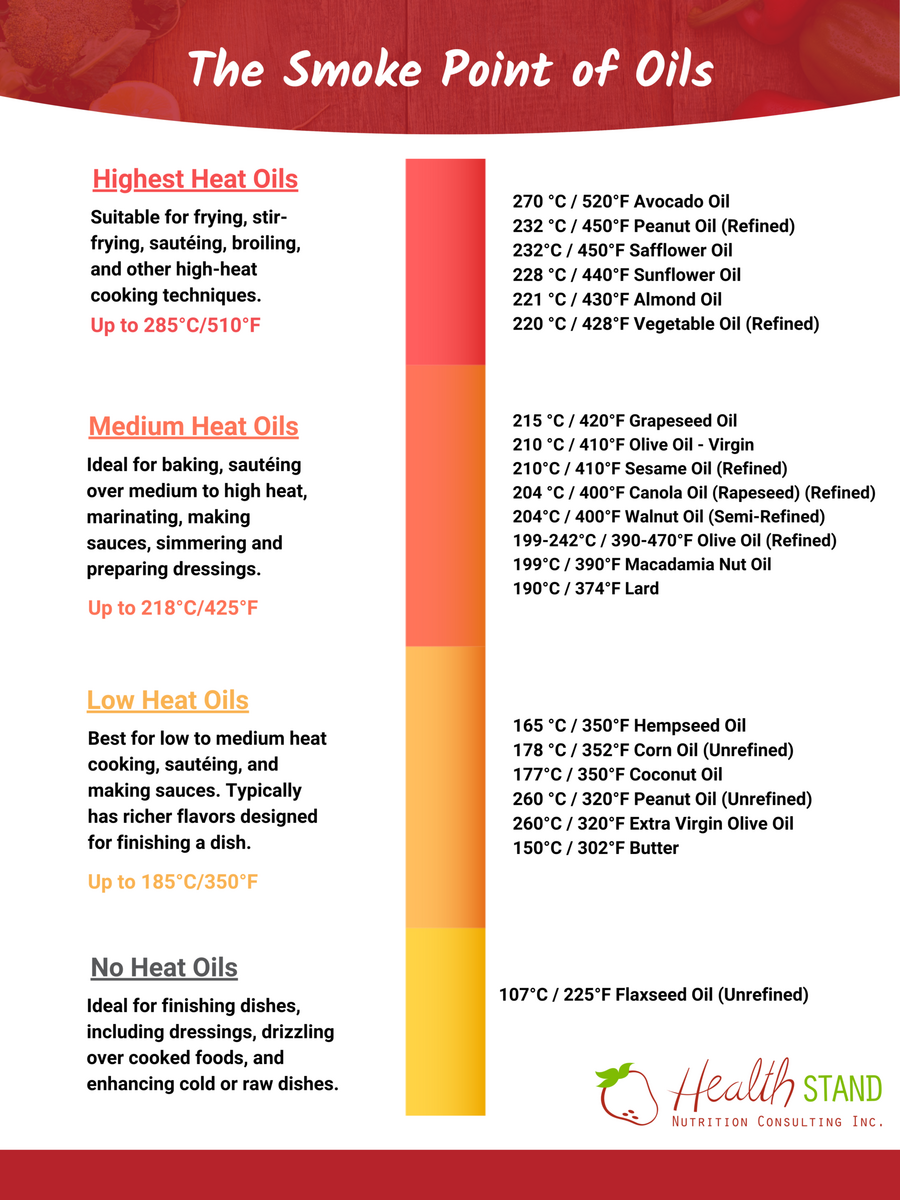
The Smoke Point Of Oils Which Cooking Oil For What
Choosing the Right Oil for the Job
Choosing the right oil for the job can be a daunting task, especially with so many options available. However, by considering the smoke point of the oil, you can narrow down your choices and select the best oil for your cooking method. For example, if you’re sautéing or frying, you’ll want to choose an oil with a high smoke point, such as peanut or vegetable oil. On the other hand, if you’re making a salad dressing or baking, you may prefer an oil with a lower smoke point, such as olive or coconut oil. Our smoke point of cooking oils printable chart can help you make informed decisions and choose the best oil for your needs.
Creating Your Own Smoke Point Chart
Creating your own smoke point chart can be a fun and educational project. You can start by researching the smoke points of different oils and creating a list or table with the information. You can then organize the oils by their smoke points, from lowest to highest, and add notes about their flavor profiles and uses. You can also include other relevant information, such as the oil’s nutritional content and shelf life. By creating your own smoke point chart, you can tailor it to your specific needs and preferences, and have a valuable reference guide to consult whenever you’re cooking.
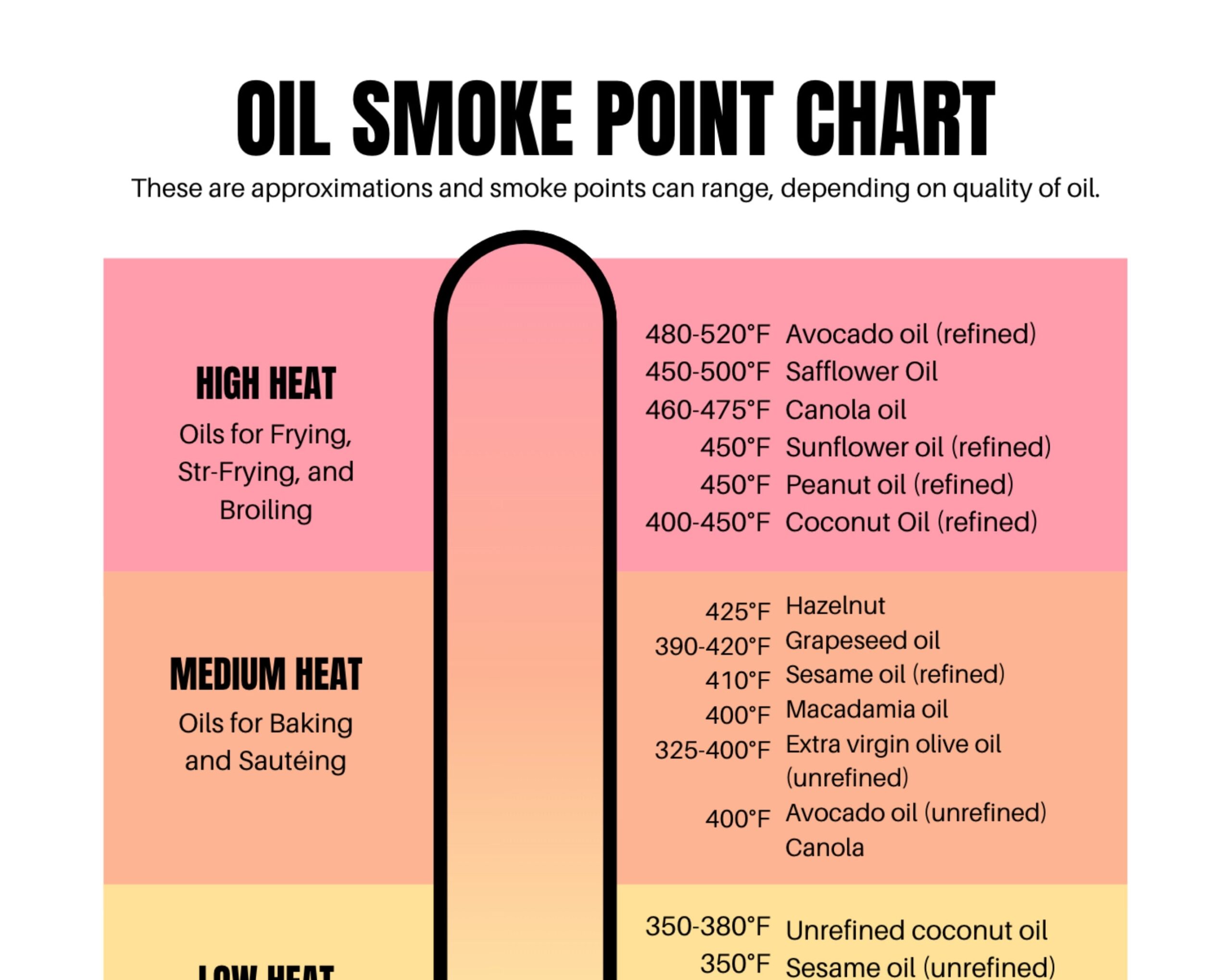
Oil Smoke Point Chart Kitchen Cooking Guide Digital Download Etsy
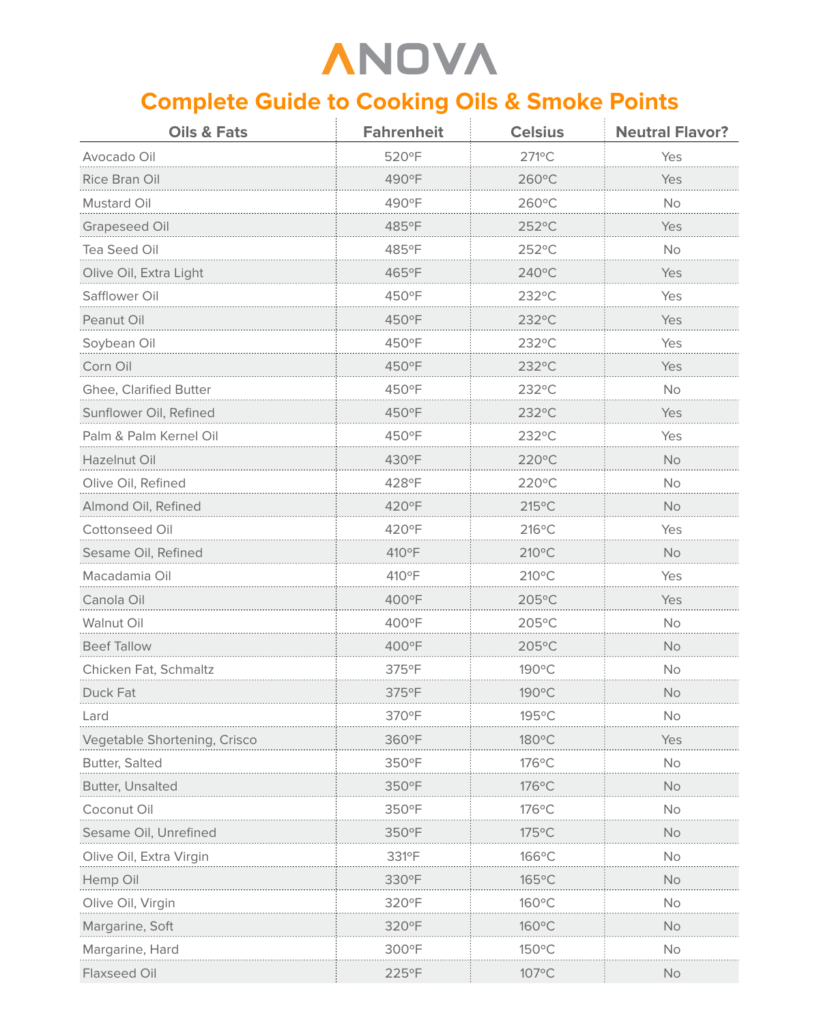
The Anova Overview To Cooking Oils Smoke Points Anova Culinary
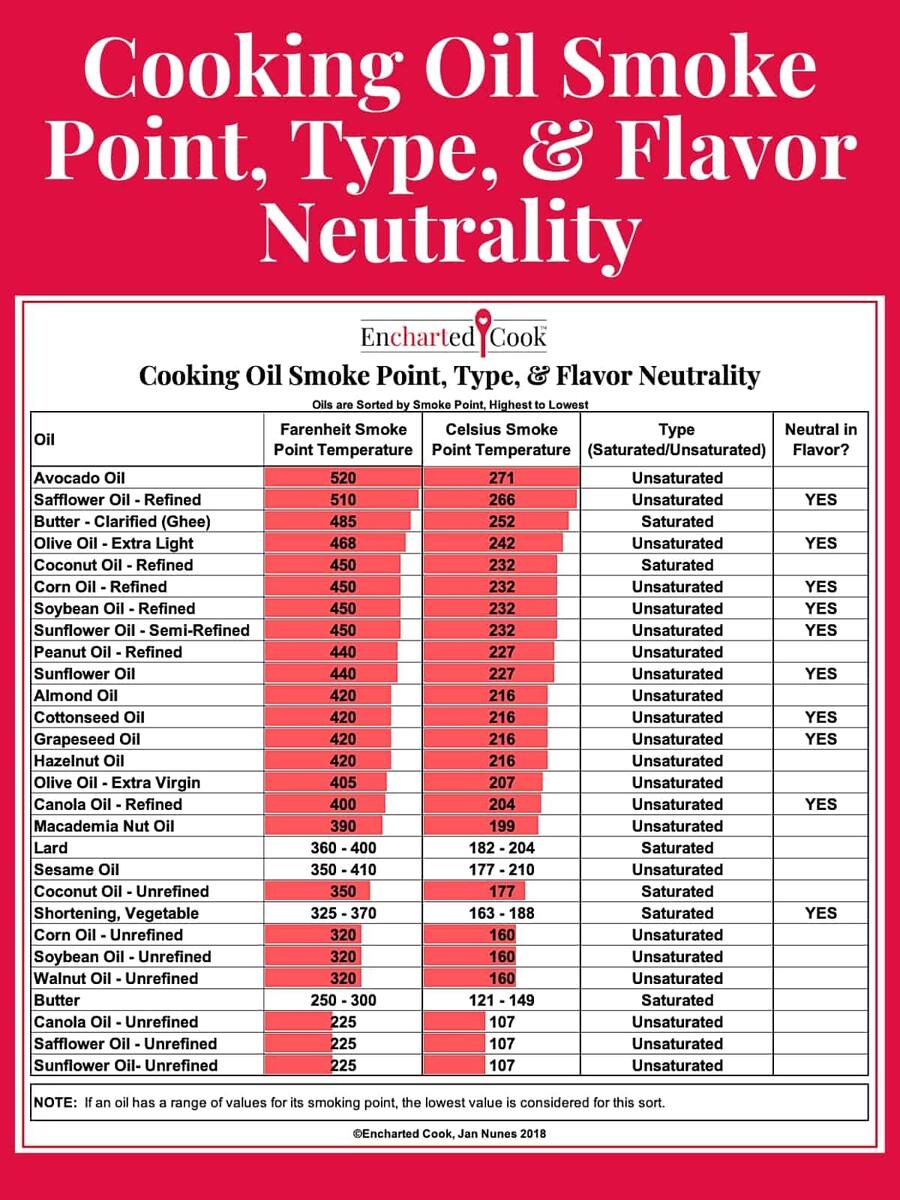
Cooking Oil Smoke Points And Flavor Neutrality Chart Encharted Cook