The Smith Chart is a fundamental tool in electrical engineering, particularly in the field of radio frequency (RF) and microwave engineering. It is a graphical representation of the impedance of a transmission line or a circuit, allowing engineers to analyze and design complex systems with ease. The chart is named after its inventor, Phillip Smith, who first introduced it in the 1930s. Since then, the Smith Chart has become an essential tool for engineers working in the field of telecommunications, aerospace, and electronics.
In modern engineering, the Smith Chart is still widely used for impedance matching, filter design, and transmission line analysis. It provides a visual representation of the complex impedance of a circuit, making it easier to understand and analyze the behavior of the system. With the advent of computer-aided design (CAD) software, the Smith Chart has become even more powerful, allowing engineers to simulate and optimize their designs with greater accuracy. However, having a printable version of the Smith Chart can still be beneficial, especially for educational purposes or for quick reference in the field.
Color Charts DANIEL SMITH Artists Materials
What is a Smith Chart?
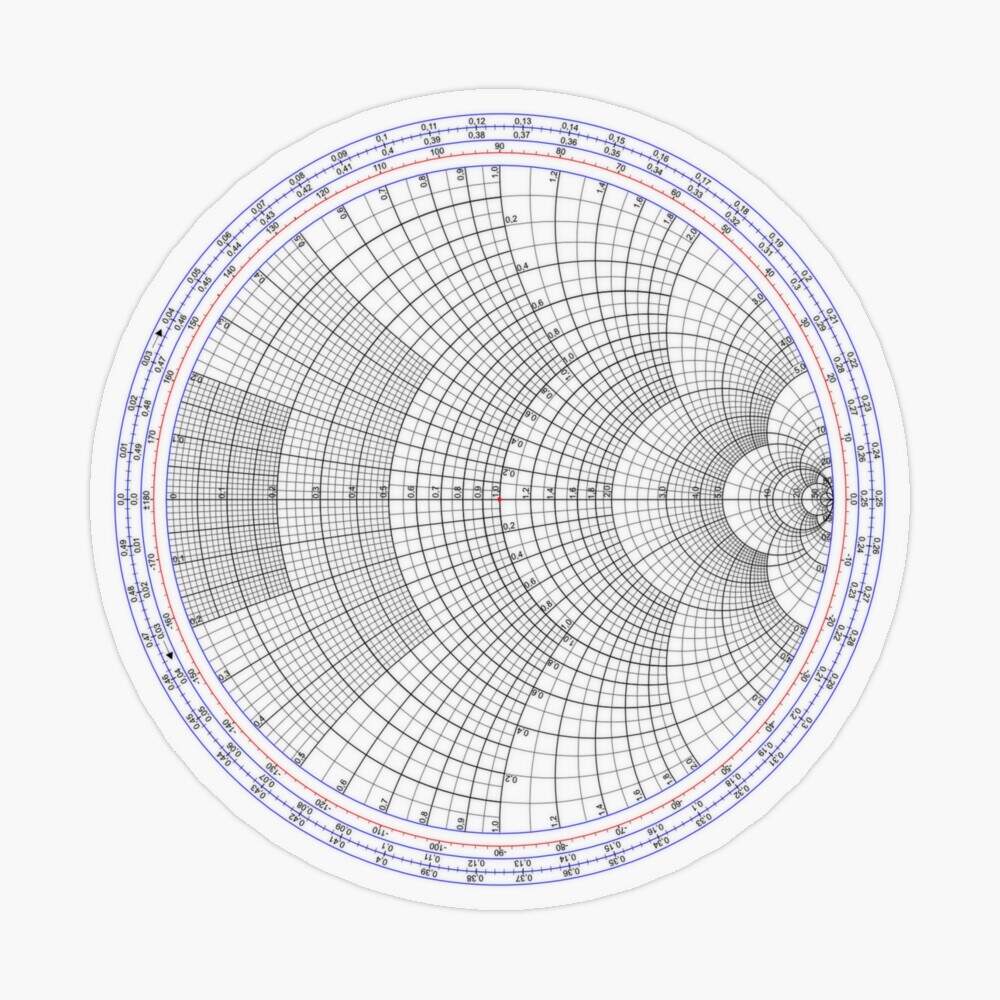
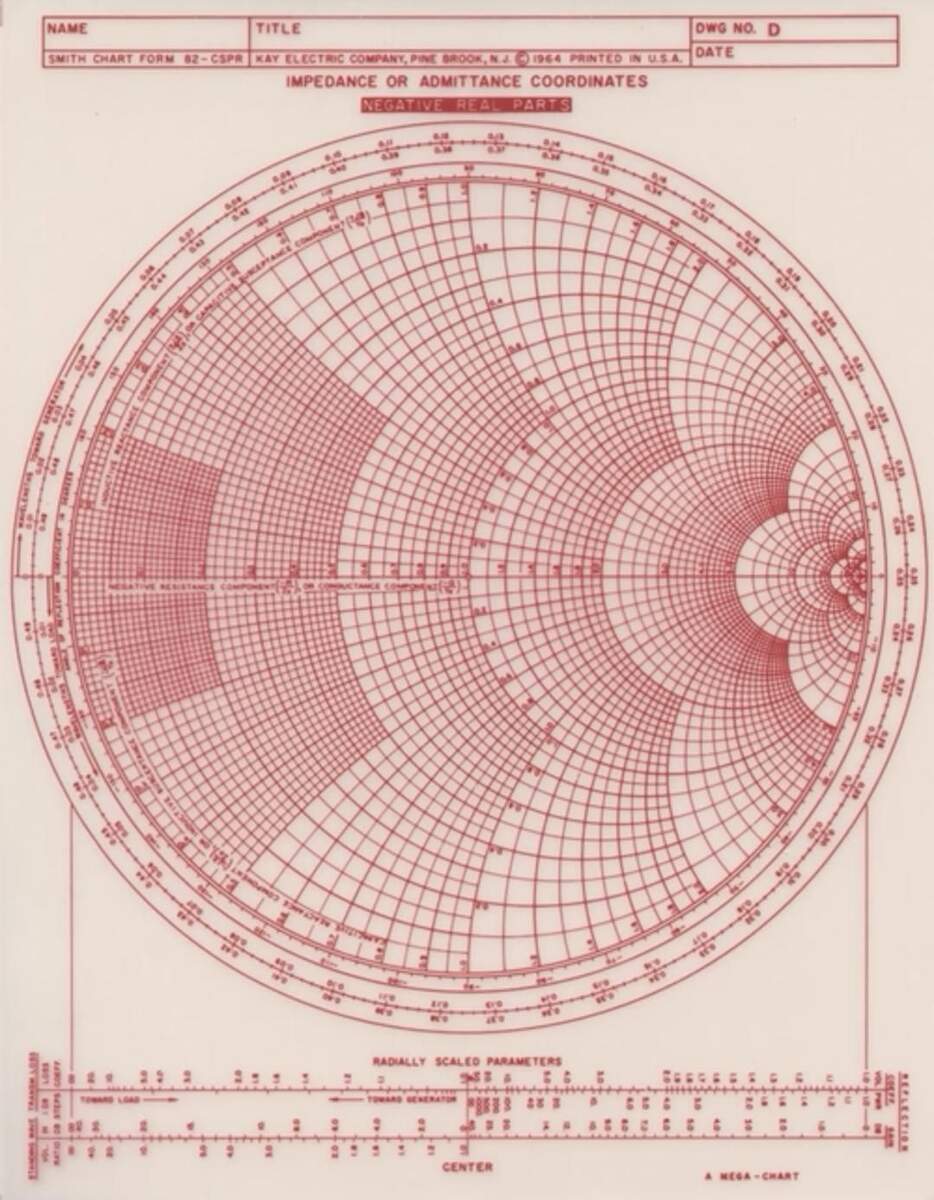
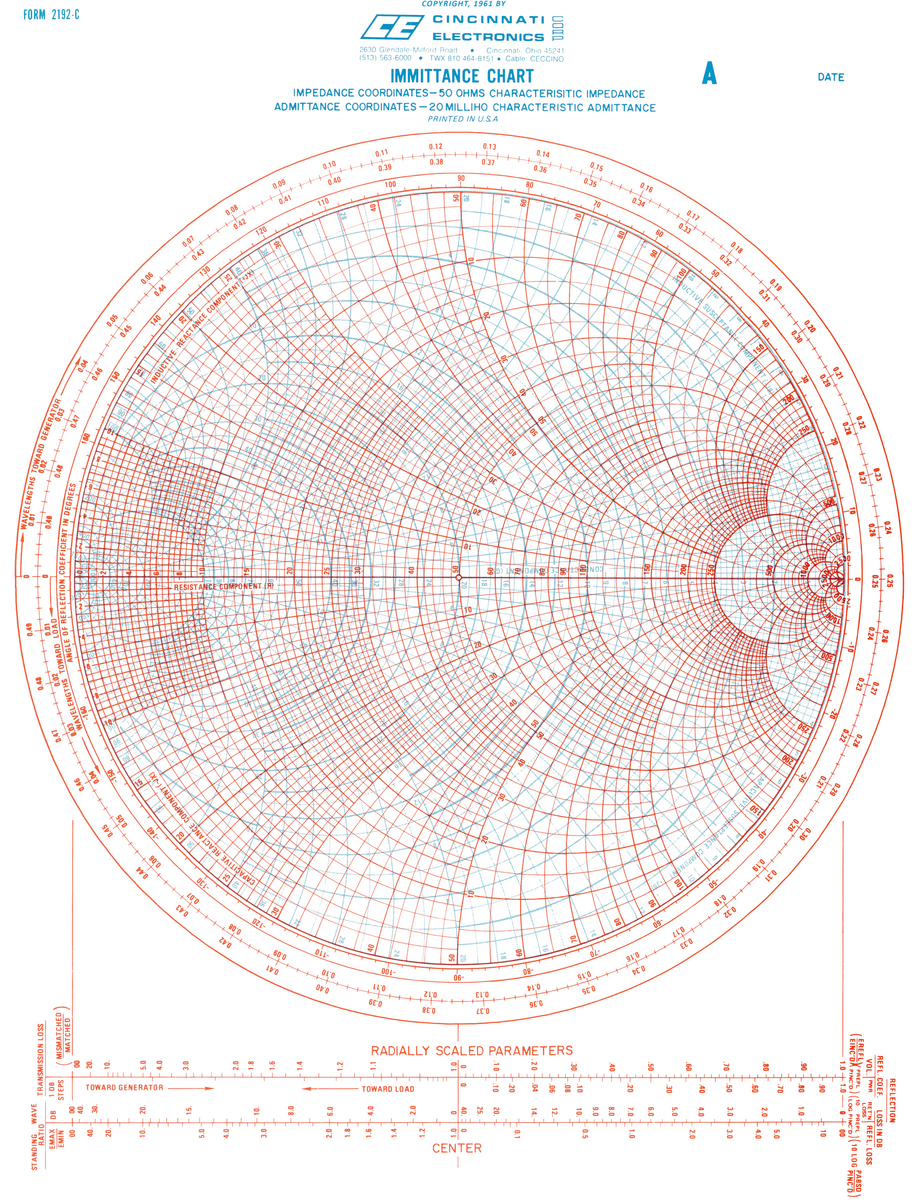
A Smith Chart is a polar plot of the complex impedance of a circuit, with the real part of the impedance on the horizontal axis and the imaginary part on the vertical axis. The chart is divided into several regions, each representing a different type of impedance, such as resistive, capacitive, or inductive. By plotting the impedance of a circuit on the Smith Chart, engineers can quickly identify the type of impedance and its magnitude, making it easier to design and optimize the system.

Nomogram Wikipedia
How to Use a Smith Chart
To use a Smith Chart, engineers typically start by plotting the impedance of the circuit on the chart. They can then use the chart to determine the type of impedance and its magnitude, as well as to identify any potential issues or problems. The Smith Chart can also be used to design and optimize filters, matching networks, and other types of circuits. By using the chart to analyze and design these systems, engineers can create more efficient and effective circuits that meet the required specifications.
Benefits of a Smith Chart Printable Version
Having a Smith Chart printable version can be beneficial for several reasons. Firstly, it provides a quick and easy reference for engineers who need to analyze or design a circuit. Secondly, it can be used for educational purposes, helping students to understand the concept of impedance and how to use the Smith Chart. Finally, a printable version of the Smith Chart can be useful in the field, where engineers may not have access to a computer or CAD software. By having a printed copy of the chart, they can quickly analyze and design circuits, even in remote or isolated areas.
Basic Smith Chart Greeting Card For Sale By Maxwell1831 Redbubble
In conclusion, a Smith Chart printable version is a valuable resource for engineers working in the field of RF and microwave engineering. It provides a quick and easy reference for analyzing and designing complex circuits, and can be used for educational purposes or as a field reference. By downloading a printable version of the Smith Chart, engineers can have instant access to this powerful tool, allowing them to work more efficiently and effectively.
Red And White Smith Chart Diagram
Found An Old Notepad Of Smith Immitance Charts Here S A High Res Scan R Rfelectronics