For gardeners and farmers, understanding seed viability is crucial for achieving optimal germination rates and a successful harvest. Seed viability refers to the ability of a seed to germinate and grow into a healthy plant. Factors such as storage conditions, seed age, and handling can all impact seed viability, making it essential to test and track the viability of seeds before planting. A printable seed viability chart can be a valuable tool in this process, providing a simple and effective way to record and analyze seed viability data.
By using a printable seed viability chart, gardeners and farmers can easily track the viability of their seeds over time, identifying patterns and trends that can inform planting decisions. This can be especially useful for seeds that are sensitive to temperature, humidity, or light, as it allows for more precise control over storage and planting conditions. Additionally, a printable seed viability chart can help to reduce waste and save resources by identifying seeds that are no longer viable, allowing for more efficient use of seeds and other resources.
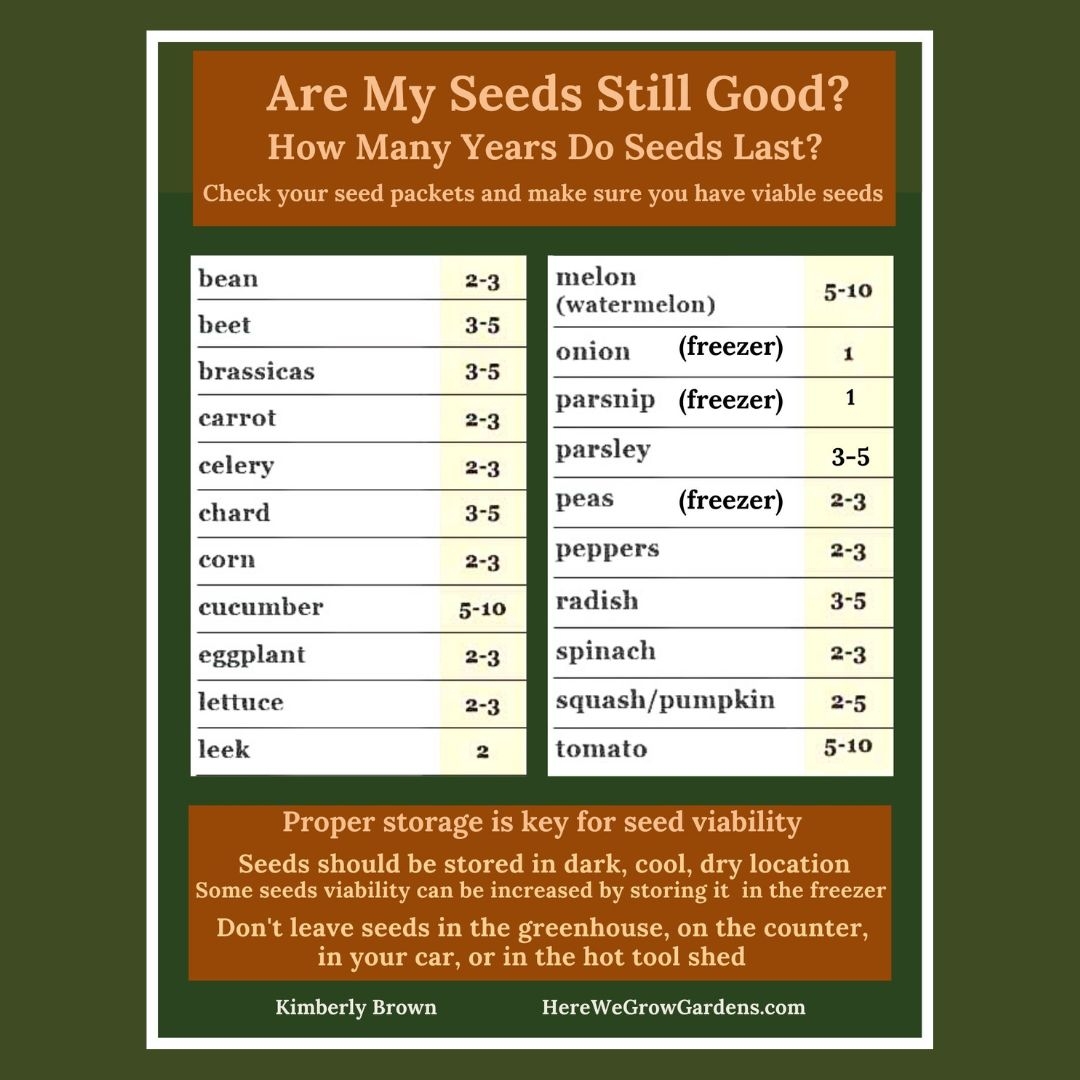
How Long Do Seeds Last Free Downloadable PDF Here We Grow
Understanding Seed Viability
Understanding seed viability is the first step in using a printable seed viability chart effectively. Seed viability is affected by a range of factors, including seed type, storage conditions, and handling. Different types of seeds have varying levels of viability, with some seeds remaining viable for years while others may only remain viable for a few months. By understanding the specific viability characteristics of the seeds being used, gardeners and farmers can make more informed decisions about storage, handling, and planting.
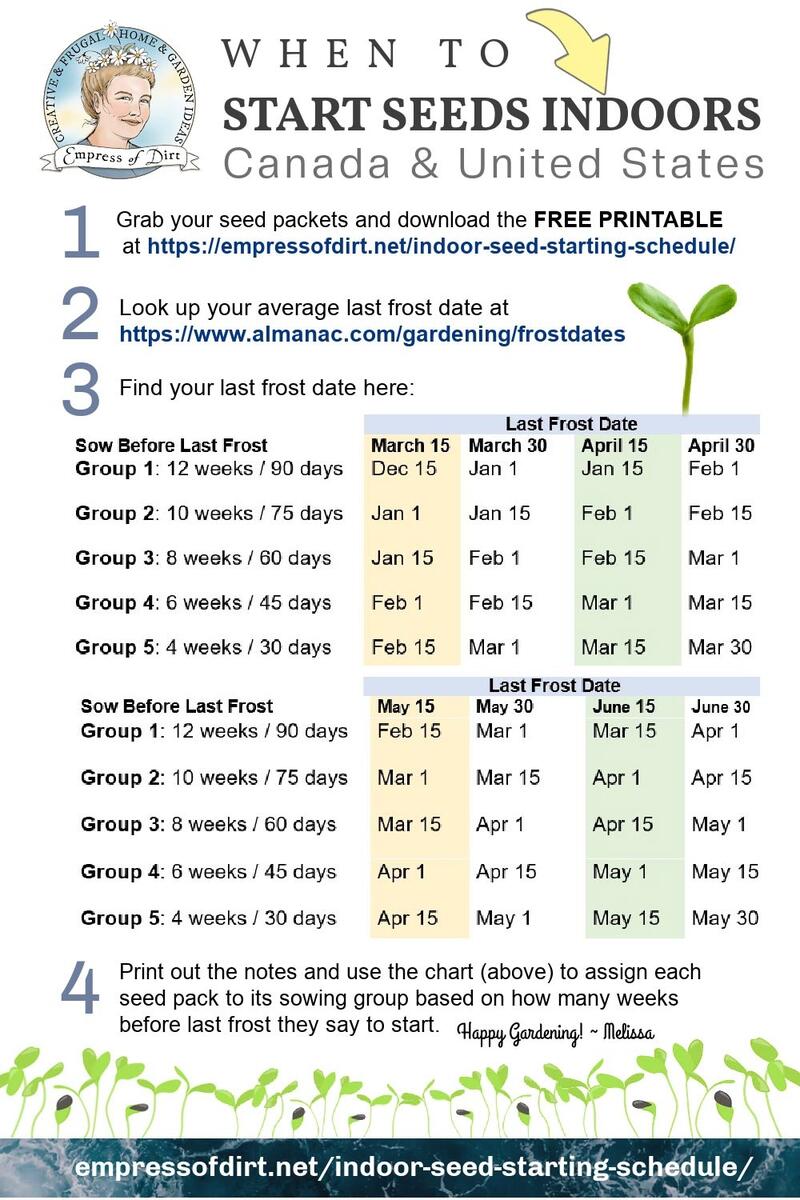
When To Start Seeds Indoors Easy Printable Sowing Plan
How to Use a Printable Seed Viability Chart
Using a printable seed viability chart is a straightforward process that involves recording the results of seed viability tests over time. The chart typically includes columns for the date, seed type, number of seeds tested, and percentage of viable seeds. By regularly testing seed viability and recording the results on the chart, gardeners and farmers can track changes in viability over time and make adjustments to storage and planting conditions as needed. This can help to optimize germination rates and improve overall crop yields.
Tips for Maintaining Seed Viability
Maintaining seed viability requires careful attention to storage and handling conditions. Seeds should be stored in a cool, dry place, away from direct sunlight and moisture. The ideal storage conditions will vary depending on the type of seed, but in general, seeds should be stored at a temperature between 40°F and 50°F (4°C and 10°C) and a relative humidity of 20-30%. By following these guidelines and using a printable seed viability chart to track viability, gardeners and farmers can help to ensure optimal germination rates and a successful harvest.
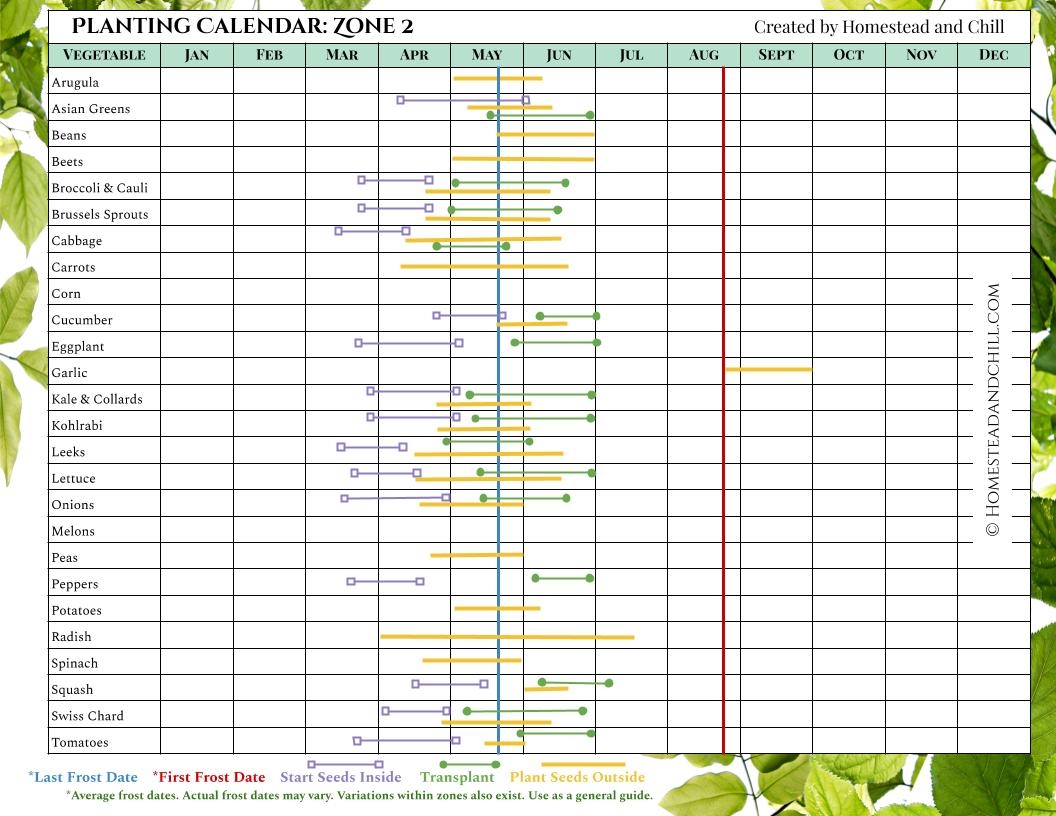
When To Start Seeds Indoors Planting Calendars For Every Zone Homestead And Chill
In addition to proper storage and handling, there are several other tips that can help to maintain seed viability. These include avoiding exposure to extreme temperatures, using airtight containers to store seeds, and minimizing handling to prevent damage to the seeds. By following these tips and using a printable seed viability chart to track viability, gardeners and farmers can help to ensure that their seeds remain viable for as long as possible, reducing waste and improving overall crop yields.
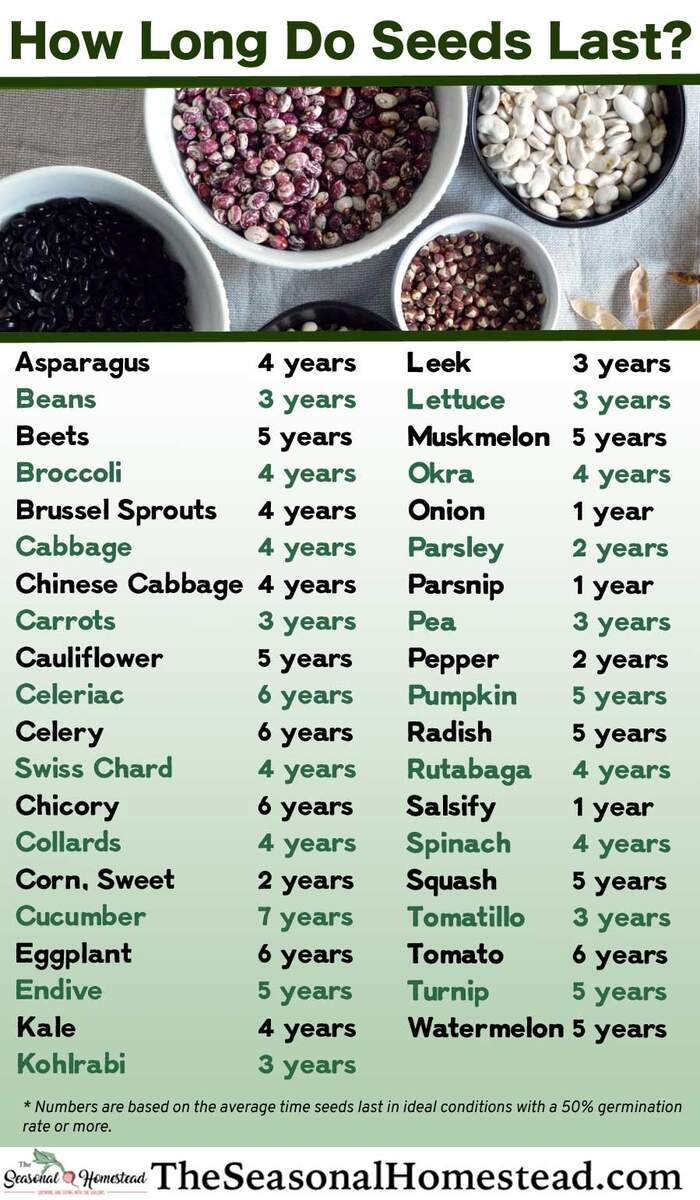
How Long Do Seeds Last The Seasonal Homestead
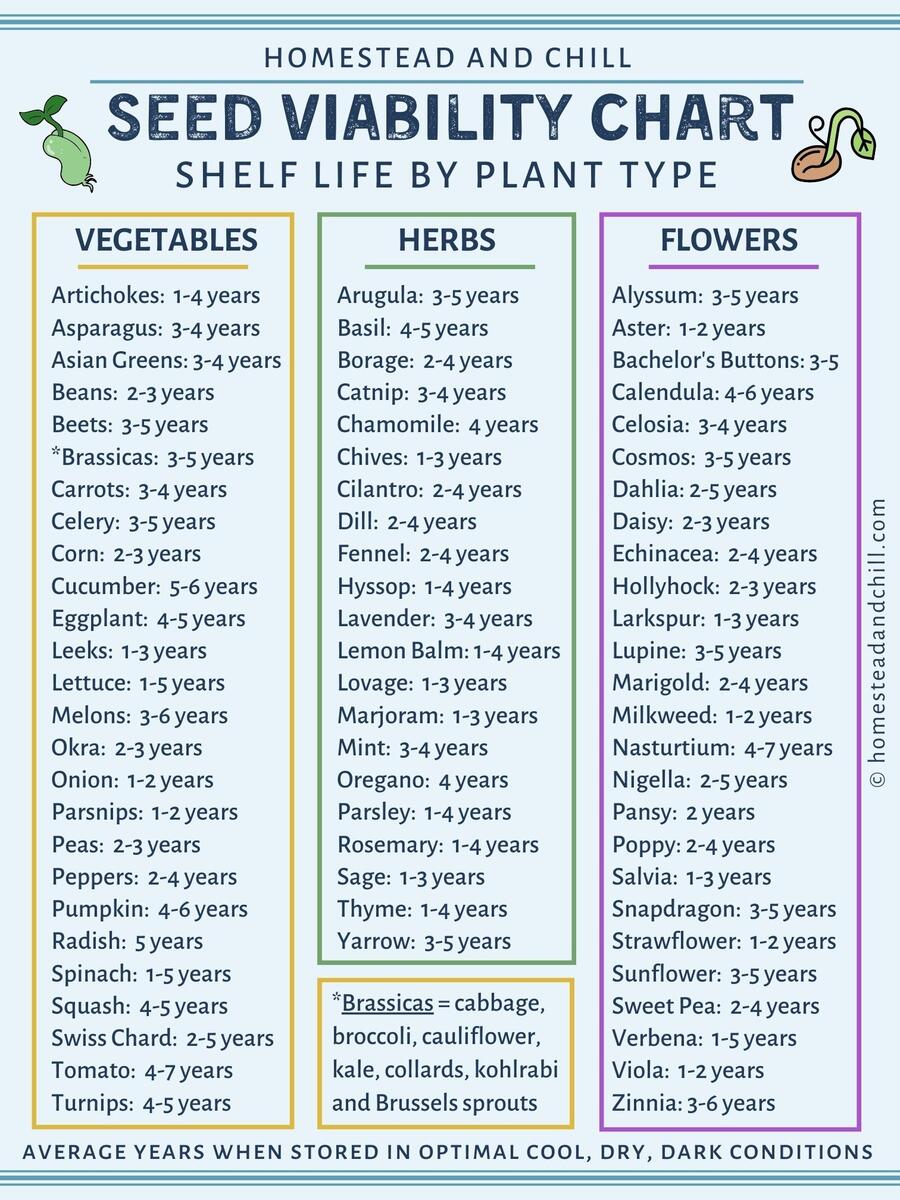
How Long Do Seeds Last Seed Viability Chart Homestead And Chill