Trigger points are areas of muscle tissue that become knotted and inflamed, causing pain and discomfort. These knots can be caused by a variety of factors, including injury, poor posture, or repetitive strain. When left untreated, trigger points can lead to chronic pain and limited mobility. Fortunately, there are ways to identify and treat these areas, and one of the most effective tools is a trigger point chart.
A trigger point chart is a visual guide that maps out the locations of common trigger points on the body. By using this chart, individuals can identify areas of tension and work to release the knots, promoting relaxation and reducing pain. The chart is particularly useful for individuals who suffer from chronic pain, athletes, and anyone who wants to improve their overall muscle health. With a trigger point chart, you can take the first step towards a pain-free life.
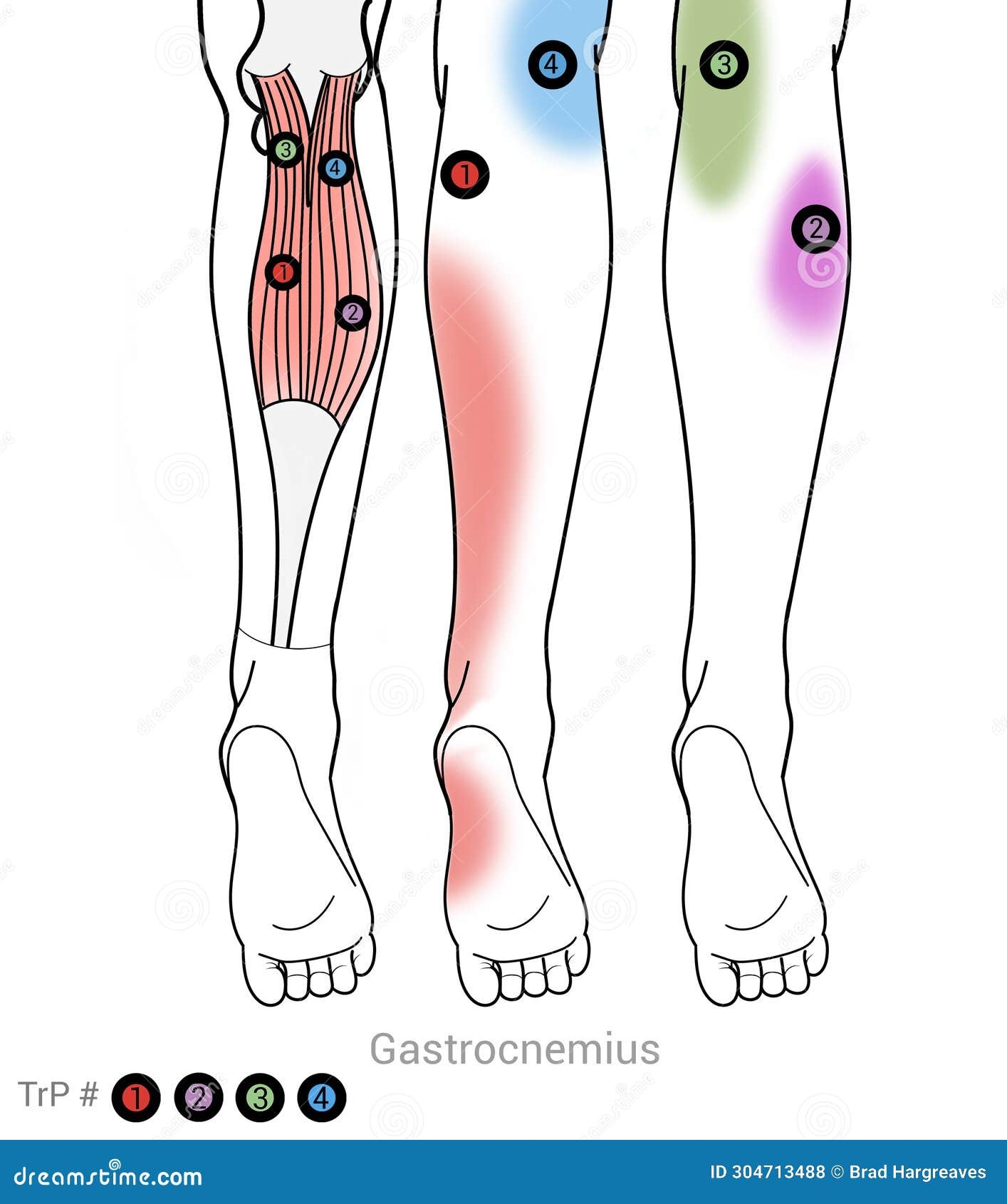
Gastocnemius Calf Muscle Myofascial Trigger Points Stock Illustration Illustration Of Anatomy Sole 304713488
What is a Trigger Point Chart?
A trigger point chart is essentially a map of the body that highlights areas where trigger points are commonly found. It’s usually illustrated with diagrams and annotations, making it easy to understand and use. The chart can be used by individuals, massage therapists, or healthcare professionals to identify and treat trigger points. By understanding what a trigger point chart is and how it works, you can begin to appreciate its value in promoting muscle health and relieving pain.
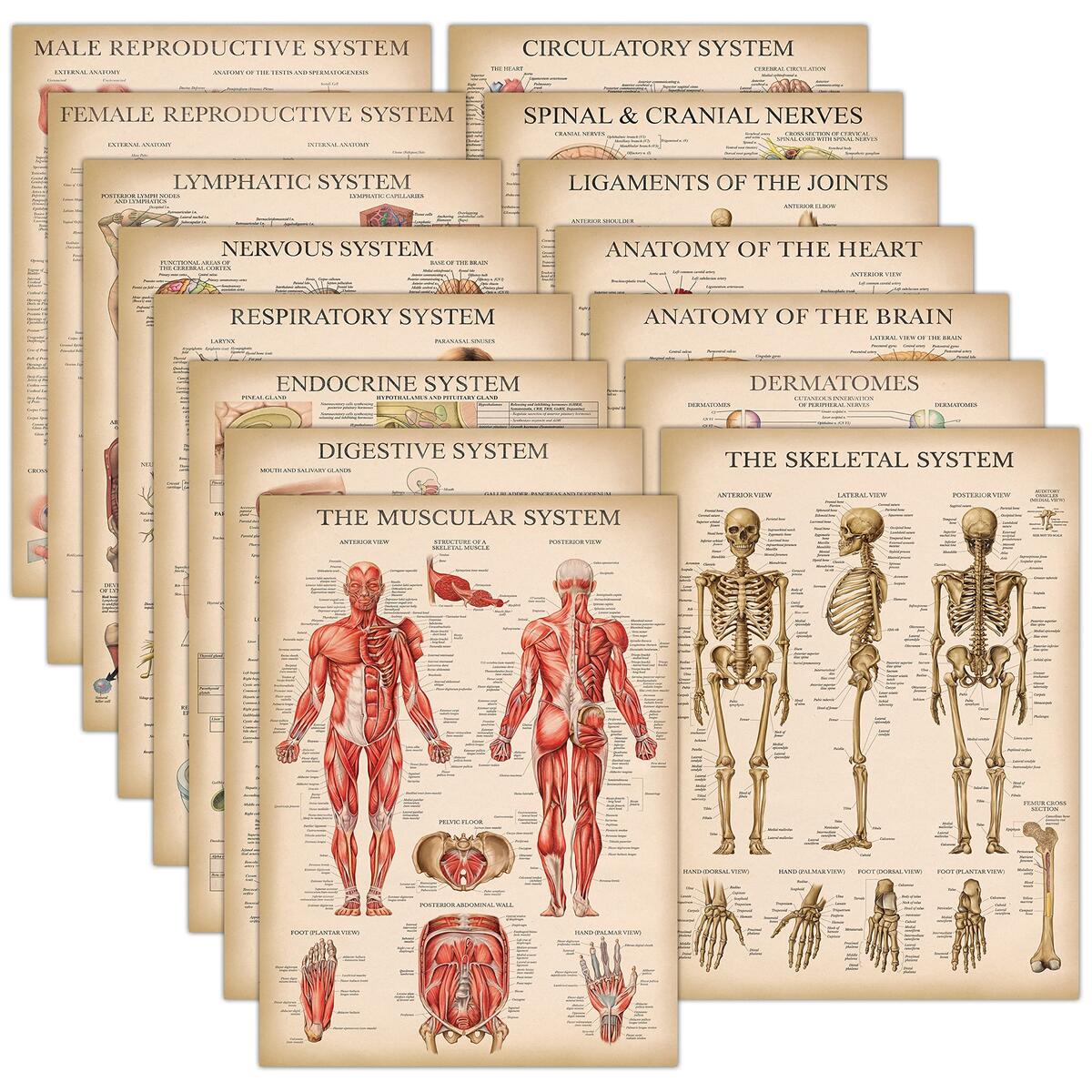
Trigger Point Treatment Free Printable Quick Reference Guide Template To Edit Online Muscle Anatomy Chart
Benefits of Using a Trigger Point Chart
Using a trigger point chart offers numerous benefits, including improved muscle function, reduced pain, and enhanced overall well-being. By identifying and treating trigger points, individuals can experience a significant reduction in muscle tension and pain. Additionally, the chart can help individuals develop a greater awareness of their body, allowing them to take proactive steps towards maintaining good muscle health. Whether you’re an athlete or simply someone who wants to feel better, a trigger point chart is an invaluable resource.
How to Use Your Free Printable Trigger Point Chart
To get the most out of your free printable trigger point chart, start by familiarizing yourself with the different areas of the body and the common trigger points found in each area. Next, use the chart to identify areas of tension and pain, and work to release the knots using techniques such as self-massage or foam rolling. It’s also a good idea to consult with a healthcare professional or massage therapist who can provide guidance on how to use the chart and develop a treatment plan tailored to your specific needs.
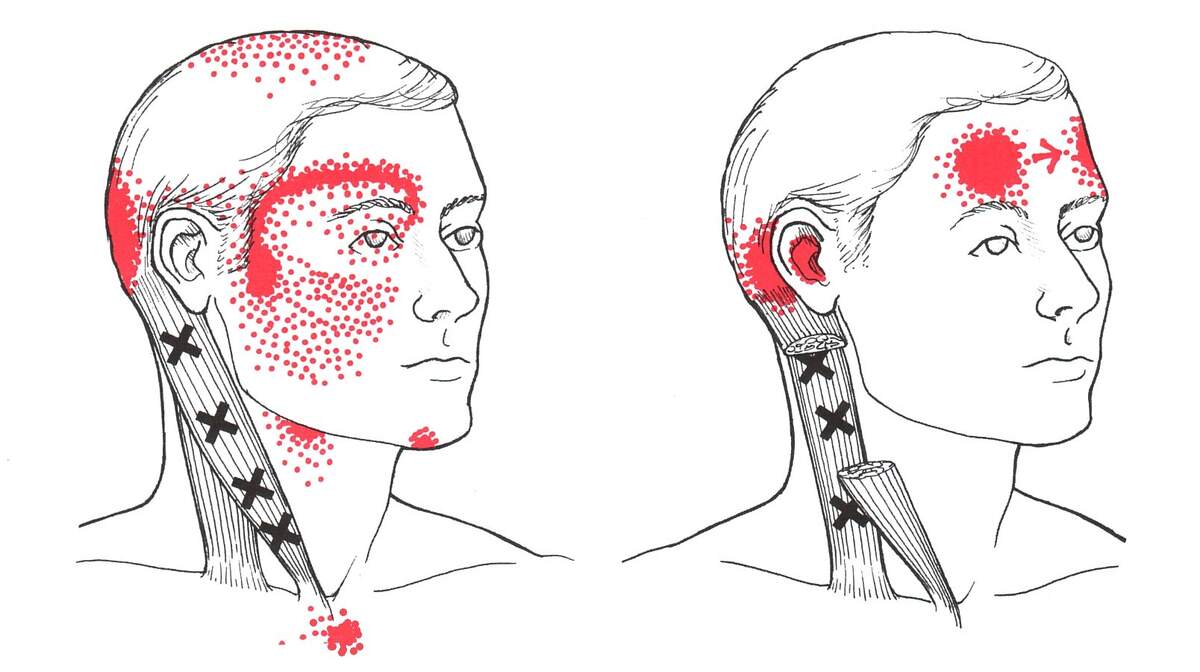
Sternocleidomastoid The Trigger Point Referred Pain Guide
By incorporating a trigger point chart into your self-care routine, you can take a proactive approach to managing muscle tension and pain. Remember to be patient and gentle when working with your muscles, and don’t hesitate to seek help if you’re unsure about how to use the chart or if you experience persistent pain. With our free printable trigger point chart, you’ll be well on your way to unlocking relief and promoting overall muscle health.
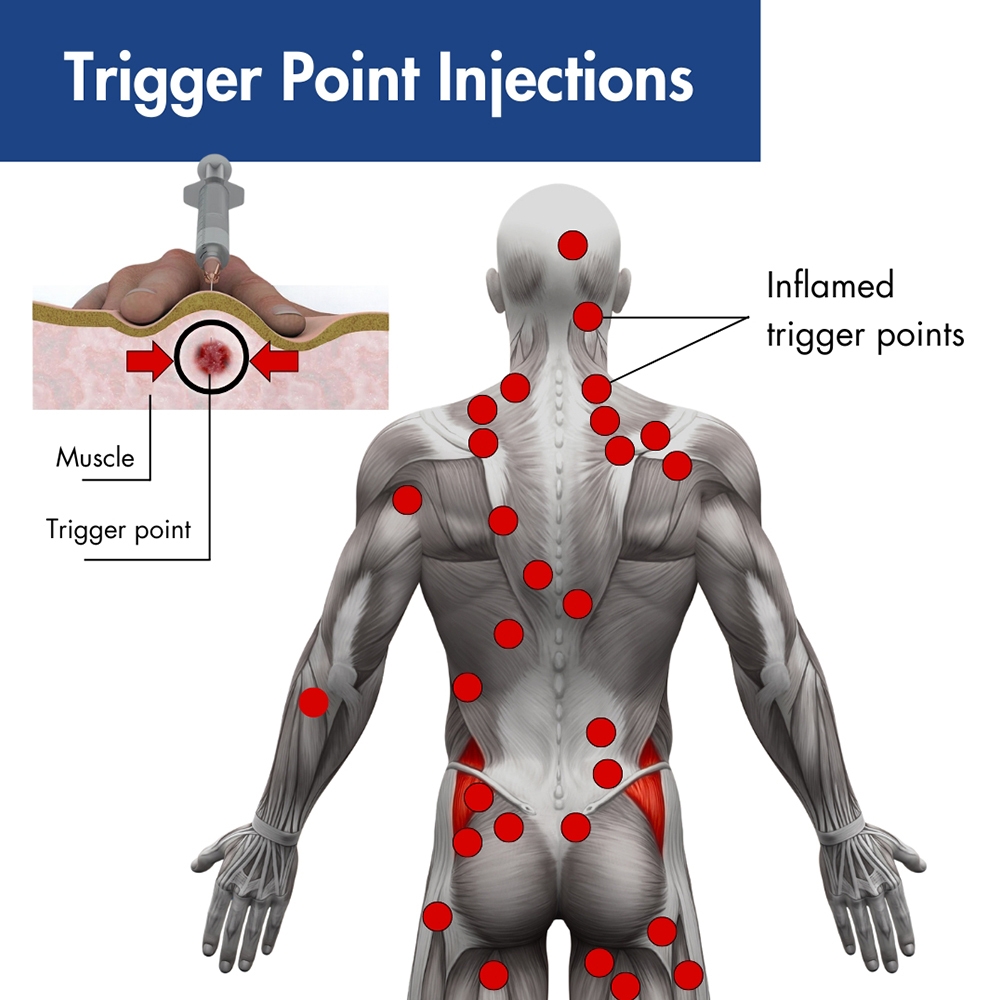
Trigger Point Injection In Madison WI Wisconsin Myofascial Pain Relief
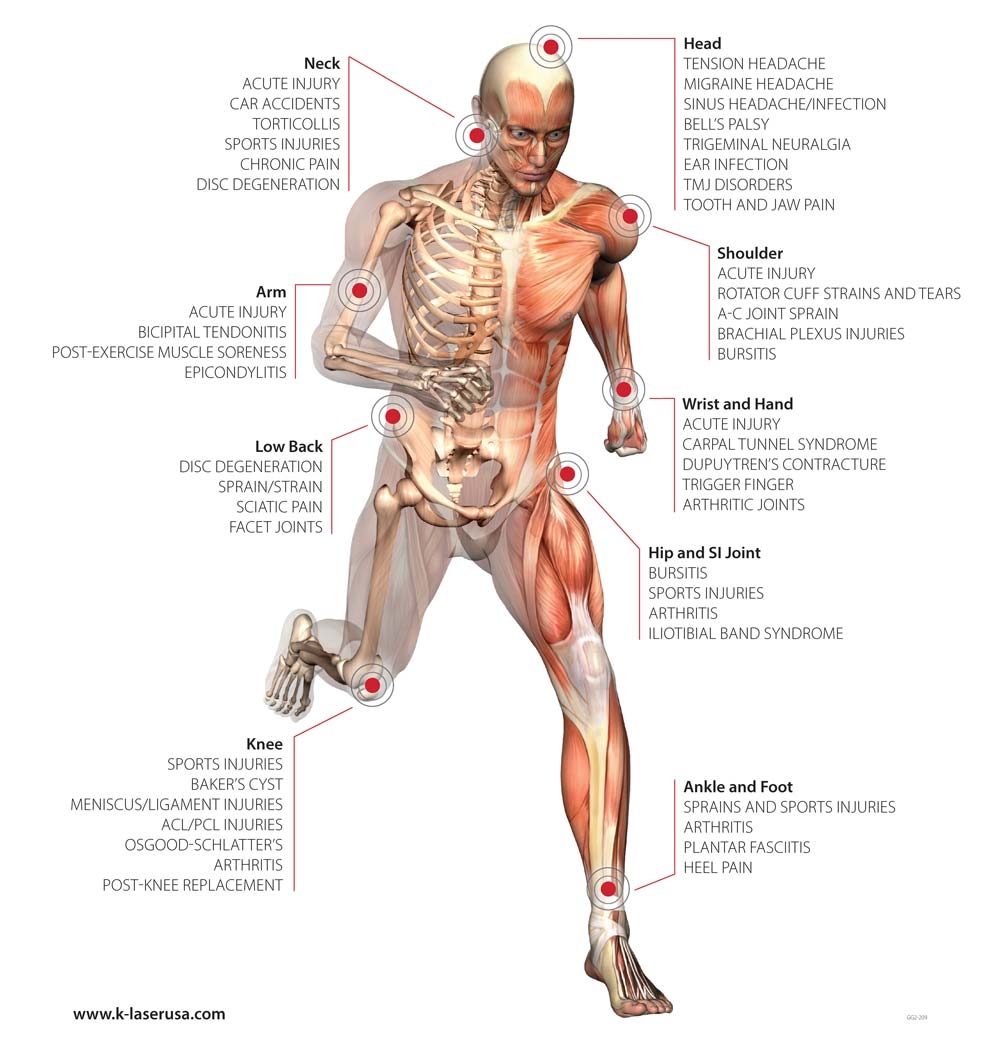
Myofascial Pain How Trigger Point Injection Can Help Dr Mehrtash Amini