The alto saxophone is a popular instrument among musicians, known for its rich and soulful sound. To become proficient in playing the alto saxophone, it’s essential to have a solid understanding of the chromatic scale. The chromatic scale is a fundamental concept in music theory, consisting of all 12 half-steps within an octave. Mastering the chromatic scale is crucial for improvising, soloing, and playing complex melodies.
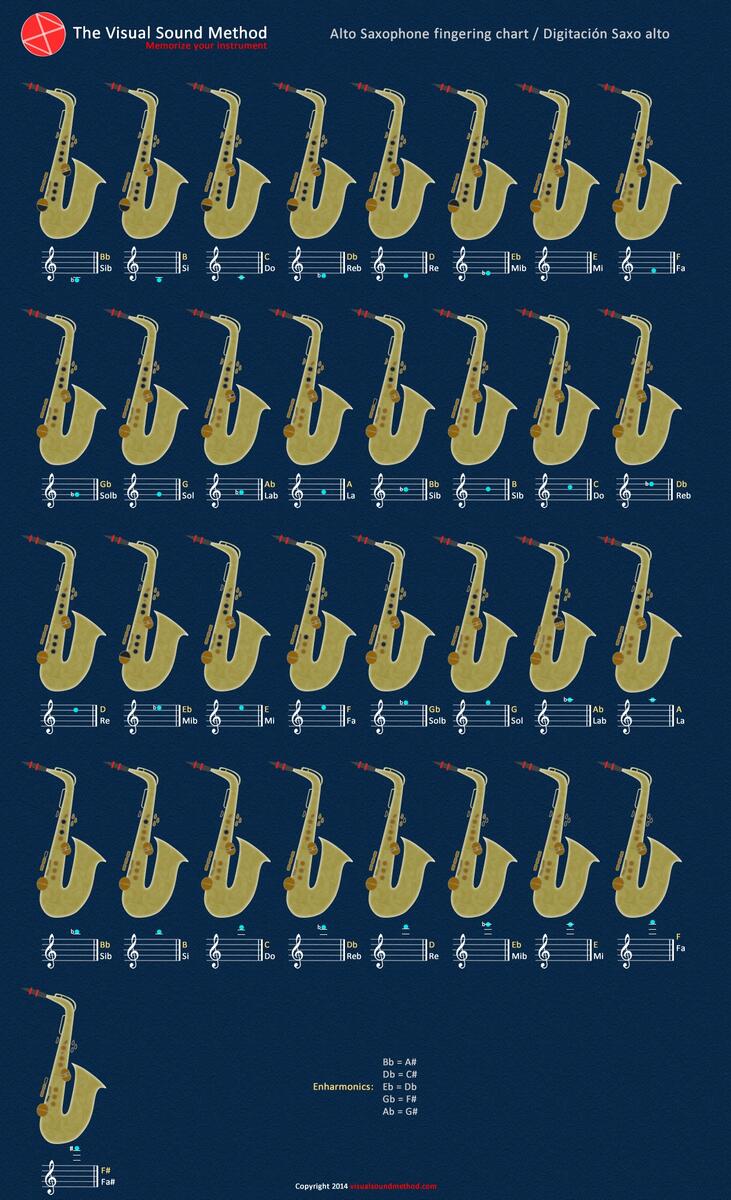
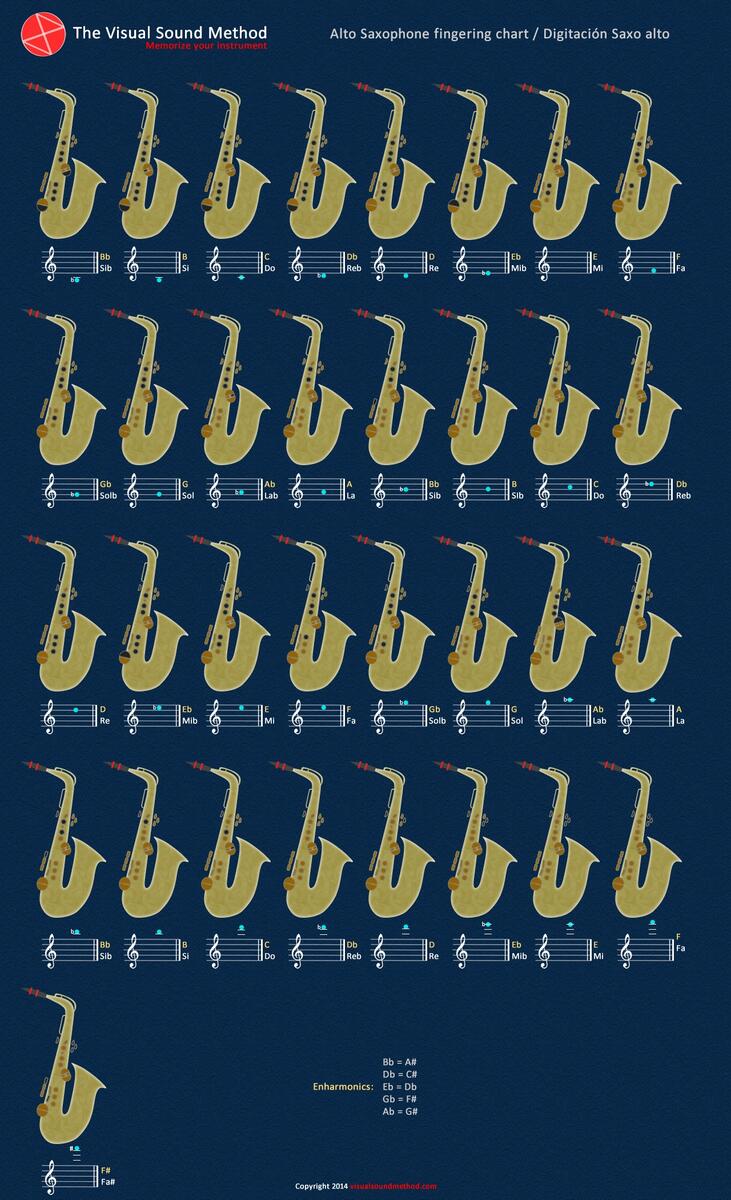
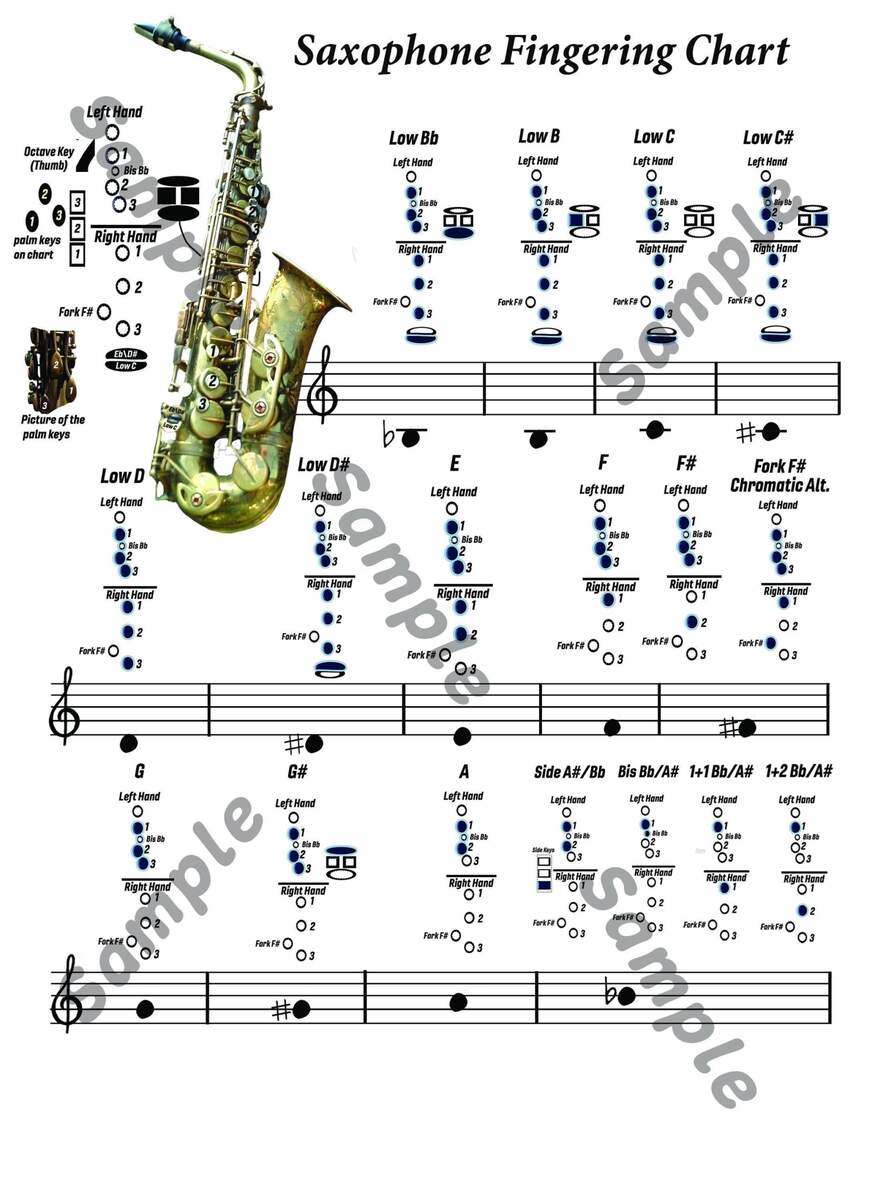
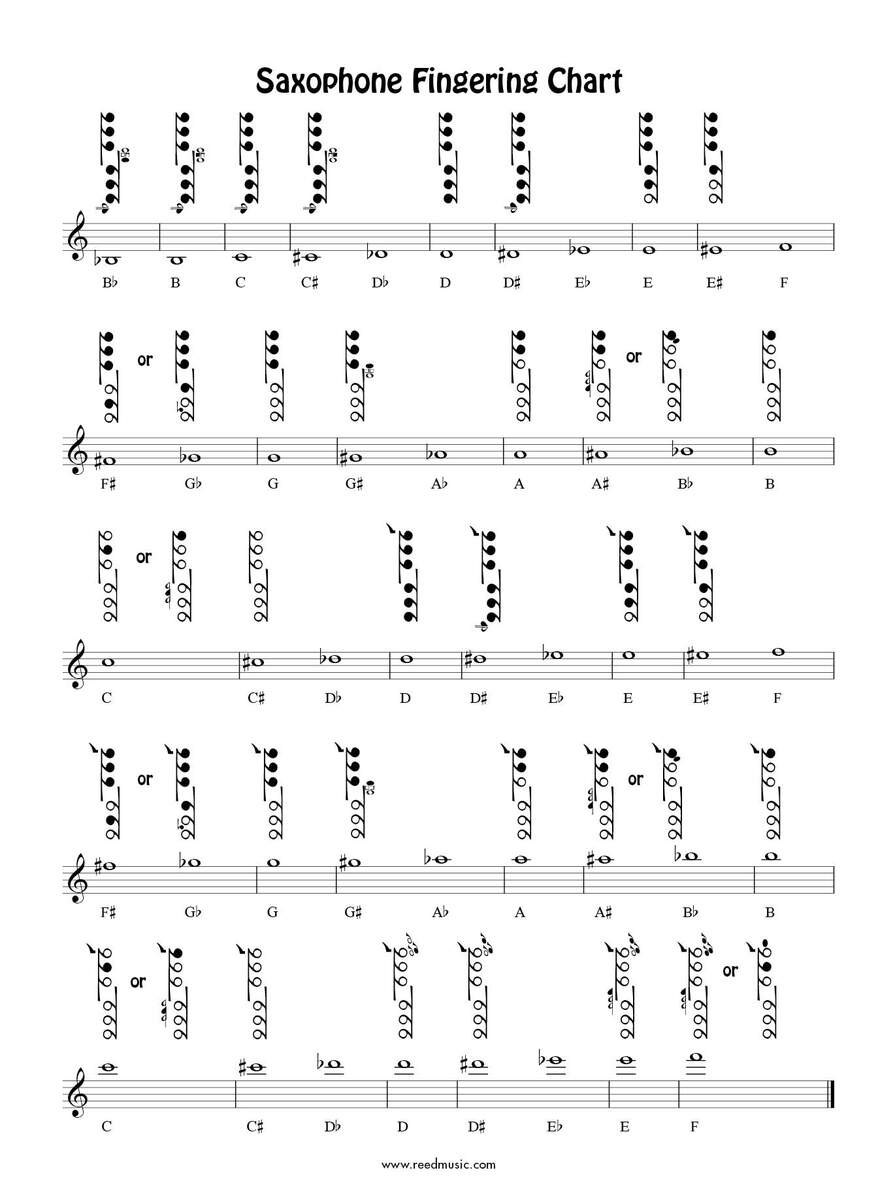
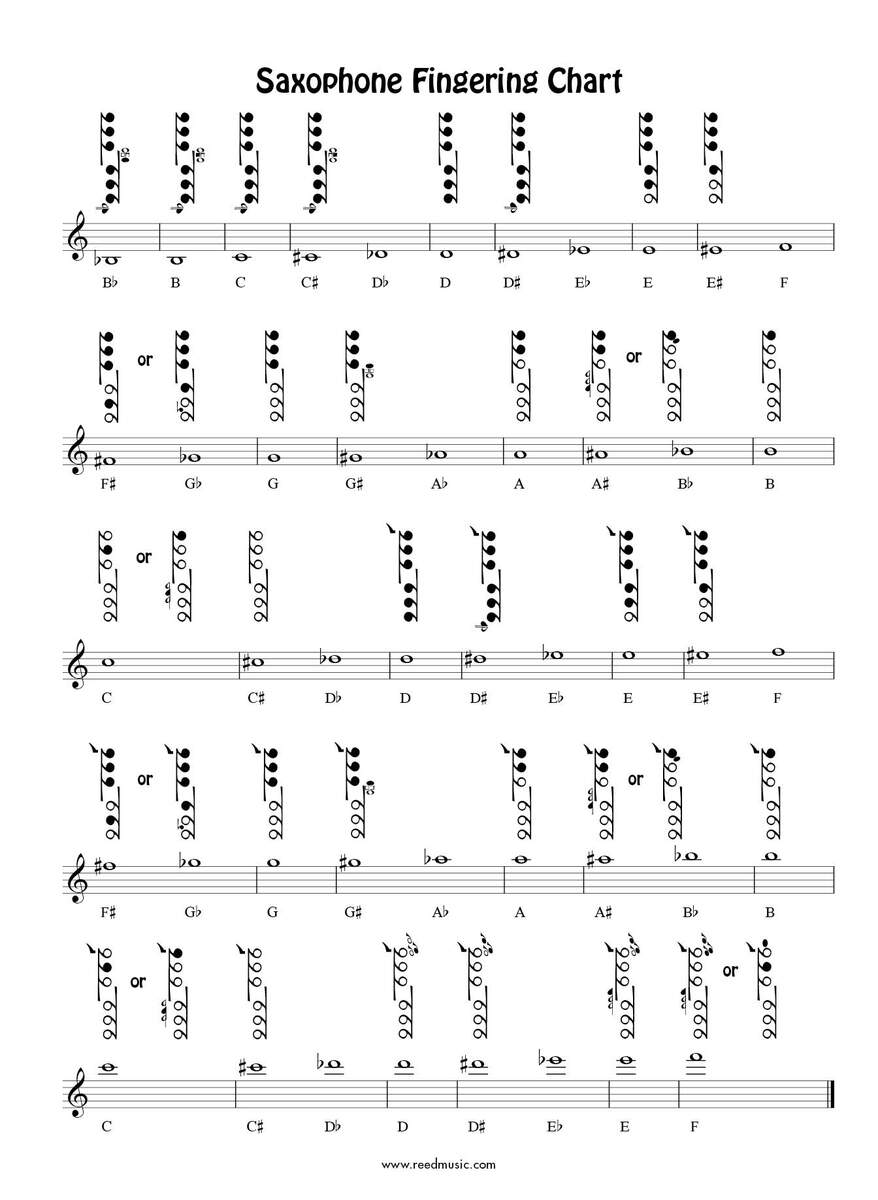
One of the most effective ways to learn the chromatic scale on the alto saxophone is by using a finger chart. A finger chart is a visual representation of the saxophone’s fingerings, showing which fingers to press and when. With a printable chromatic scale finger chart, you can practice and reinforce your understanding of the scale, even when you’re not playing your instrument. This handy resource can help you develop muscle memory, improve your technique, and increase your overall proficiency on the alto saxophone.
Alto Sax Keys
Understanding the Chromatic Scale
The chromatic scale is a sequence of half-steps that includes all the notes within an octave. On the alto saxophone, the chromatic scale starts on the note E-flat and consists of 12 half-steps: E-flat, E, F, F-sharp, G, G-sharp, A, A-sharp, B, C, C-sharp, and D. Understanding the chromatic scale is vital for playing in different keys, improvising, and navigating complex musical passages. By practicing the chromatic scale using a finger chart, you’ll be able to develop a deeper understanding of music theory and improve your overall saxophone skills.
Alto Sax Keys
Benefits of Using a Finger Chart
Using a finger chart to learn the chromatic scale has numerous benefits. For one, it helps to develop muscle memory, allowing your fingers to learn the correct fingerings for each note. This, in turn, enables you to play more complex melodies and solos with confidence. Additionally, a finger chart can help you improve your technique, increase your speed, and enhance your overall tone. By practicing with a finger chart, you’ll be able to identify and correct any errors in your playing, leading to faster progress and a more enjoyable learning experience.
Tips for Practicing with the Finger Chart
To get the most out of your printable chromatic scale finger chart, it’s essential to practice regularly and consistently. Start by practicing the scale in a slow and controlled manner, focusing on playing each note correctly and in tune. As you become more comfortable with the fingerings, you can gradually increase your speed and practice playing the scale in different rhythms and articulations. It’s also a good idea to practice the scale in different keys, using the finger chart as a reference to help you navigate the correct fingerings. With consistent practice and dedication, you’ll be able to master the chromatic scale and take your alto saxophone playing to the next level.
Legere Alto Sax Saxophone Fingering Chart Poster Beginner S Guide Alto Tenor Sax Sax A Boom
In conclusion, a printable chromatic scale finger chart is an invaluable resource for any alto saxophonist looking to improve their skills. By understanding the chromatic scale, using a finger chart to practice, and following tips for effective practice, you’ll be well on your way to becoming a proficient and expressive saxophonist. Remember to practice regularly, stay motivated, and enjoy the process of learning and improving your craft. With time and effort, you’ll be able to unlock the full potential of the alto saxophone and achieve your musical goals.
Sax Scales Chart Saxophone Chord Chart Poster Scales Finger Chart For Beginners Learning Saxophone Sax Finger Chart Poster
Sax Scales Chart Saxophone Chord Chart Poster Scales Finger Chart For Beginners Learning Saxophone Sax Finger Chart Poster