Learning the alphabet is a fundamental step in a child’s educational journey. It’s the foundation upon which reading and writing skills are built. One of the most effective tools for teaching the alphabet is an alphabet and sound chart. These charts provide a visual representation of the alphabet, with each letter accompanied by its corresponding sound. This helps children to recognize and remember the sounds of each letter, making it easier for them to learn to read and write.
Alphabet and sound charts are particularly useful for young children who are just starting to learn the alphabet. They can be used in a variety of settings, including homeschooling, preschool, and kindergarten. The charts can be printed out and displayed in a classroom or at home, providing a constant reminder of the alphabet and its sounds. They can also be used as a reference point for children to practice their alphabet skills, helping to reinforce their learning and build their confidence.
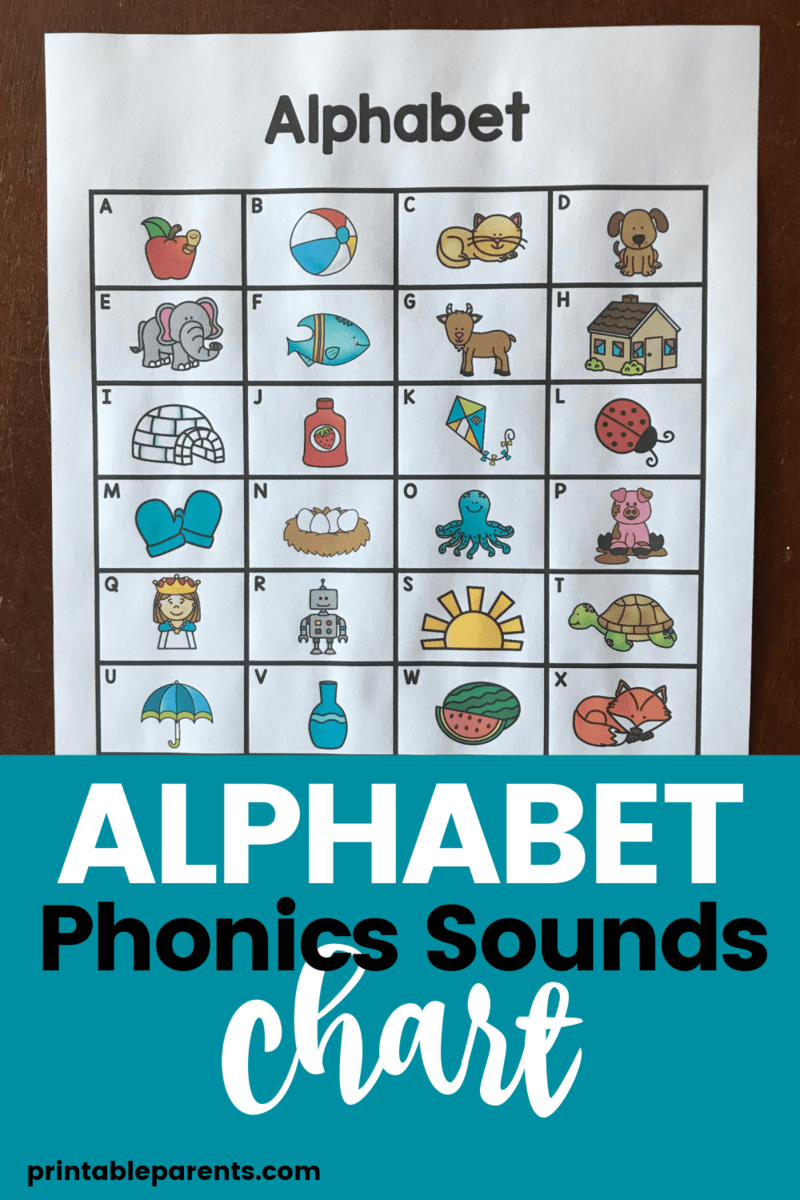
Alphabet Phonics Sounds Chart Printable Parents
Benefits of Using Alphabet and Sound Charts
Using alphabet and sound charts can have a number of benefits for children. For one, it can help to improve their phonemic awareness, which is the ability to hear and manipulate the individual sounds in words. This is a crucial skill for reading and writing, and alphabet and sound charts can provide a fun and engaging way for children to practice it. Additionally, alphabet and sound charts can help to build children’s vocabulary and spelling skills, as they learn to recognize and remember the sounds of different letters and words.
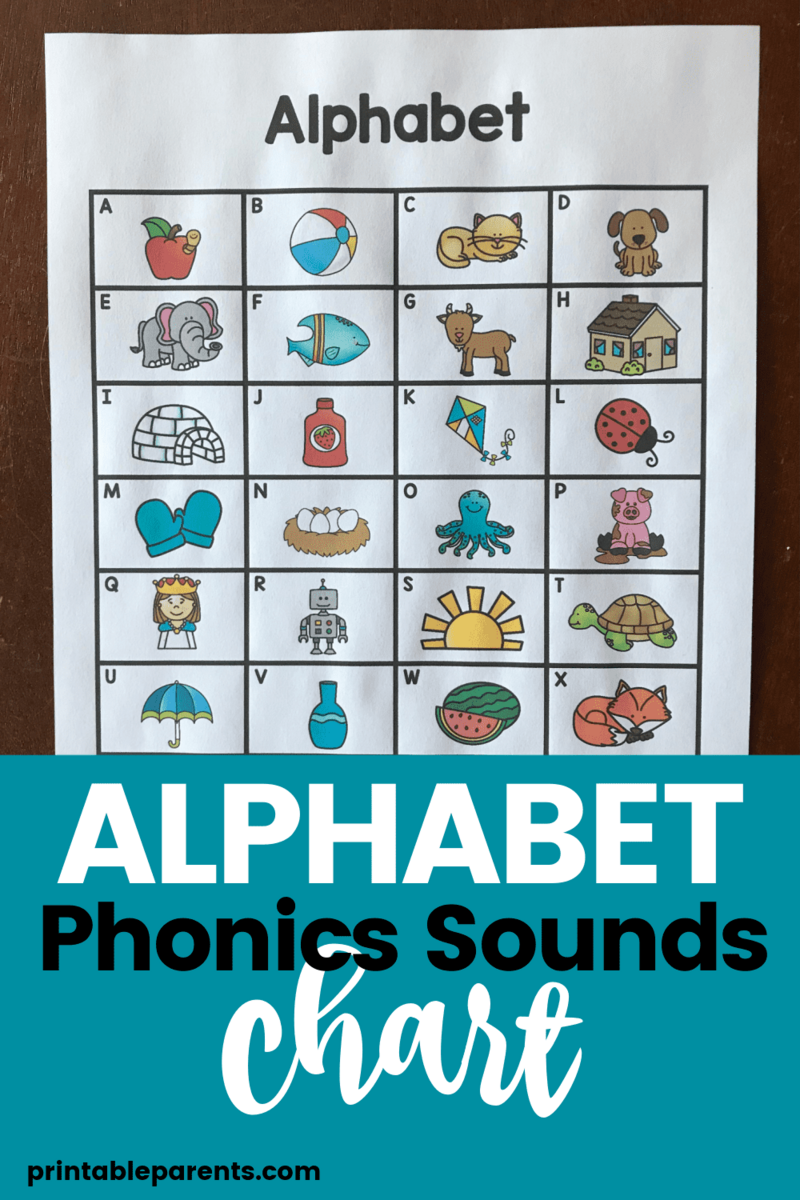
Alphabet Phonics Sounds Chart Printable Parents
How to Use Alphabet and Sound Charts Effectively
To use alphabet and sound charts effectively, it’s a good idea to start by introducing children to the charts in a gradual and systematic way. You can begin by teaching them the sounds of the individual letters, and then gradually build up to more complex sounds and words. It’s also a good idea to use the charts in conjunction with other teaching methods, such as phonics and reading games. This can help to provide a comprehensive and engaging learning experience for children, and can help to reinforce their understanding of the alphabet and its sounds.
Tips for Creating Your Own Alphabet and Sound Charts
If you’re looking to create your own alphabet and sound charts, there are a number of tips to keep in mind. First, make sure to use a clear and easy-to-read font, and to include plenty of visual aids such as pictures and diagrams. This can help to make the charts more engaging and fun for children, and can help to illustrate the sounds of the different letters. You can also customize the charts to fit the needs of your child or classroom, by including specific words or themes that are relevant to their interests and learning goals.
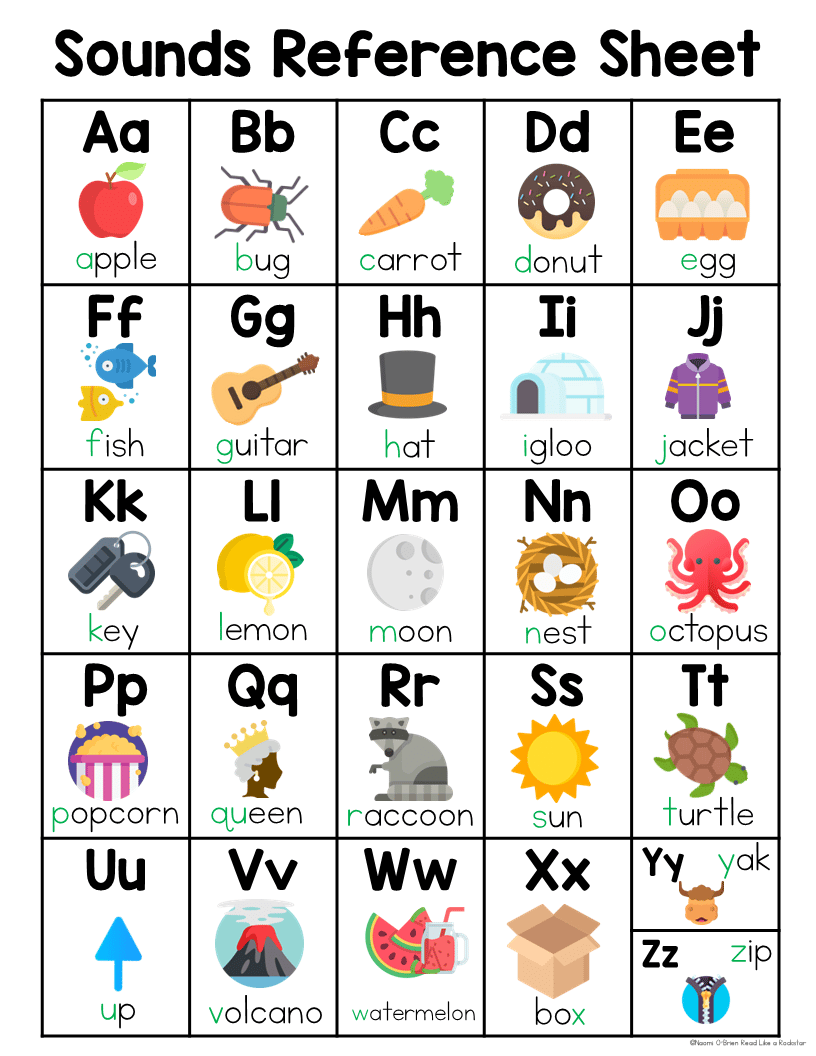
Phonics Reference Charts Letter Sounds Naomi O Brien Read Like A Rockstar
Overall, alphabet and sound charts are a valuable resource for teaching children the alphabet and its sounds. By providing a visual representation of the alphabet, and by helping children to recognize and remember the sounds of each letter, these charts can help to build a strong foundation for reading and writing skills. Whether you’re a parent, teacher, or homeschooler, alphabet and sound charts are a great way to support your child’s learning and help them to succeed in their educational journey.
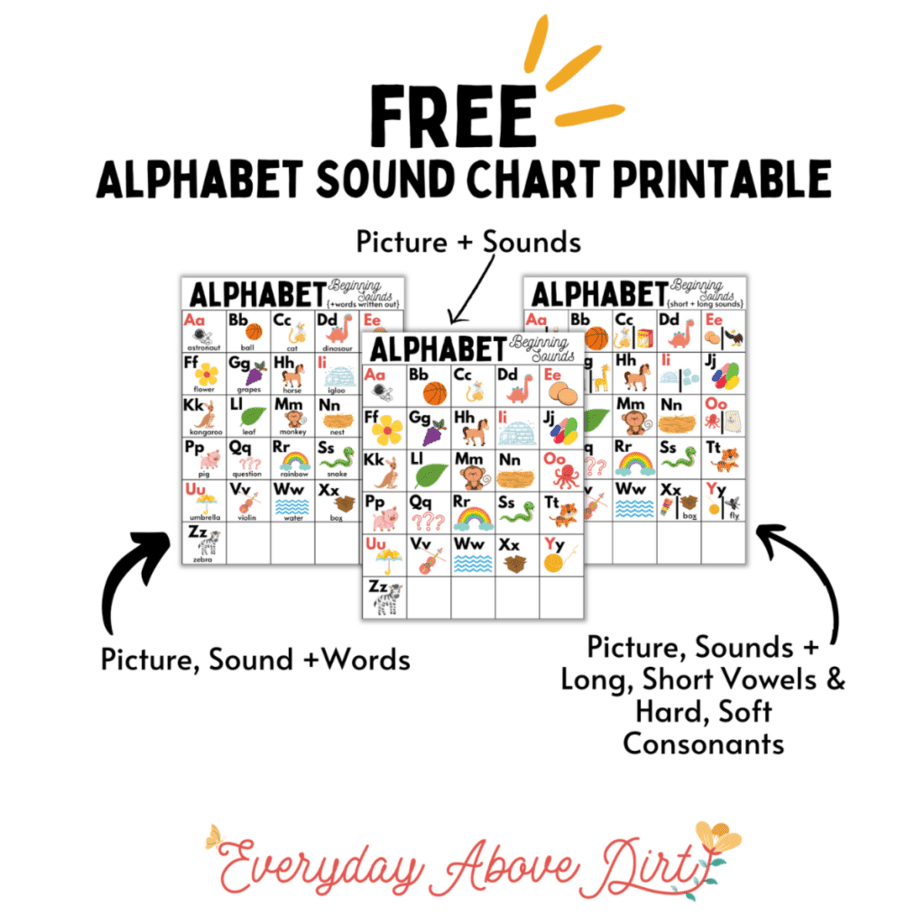
FREE Printable Alphabet Sound Chart Plus Easy At Home ABC Activities Every Day Above Dirt Is A Good Day
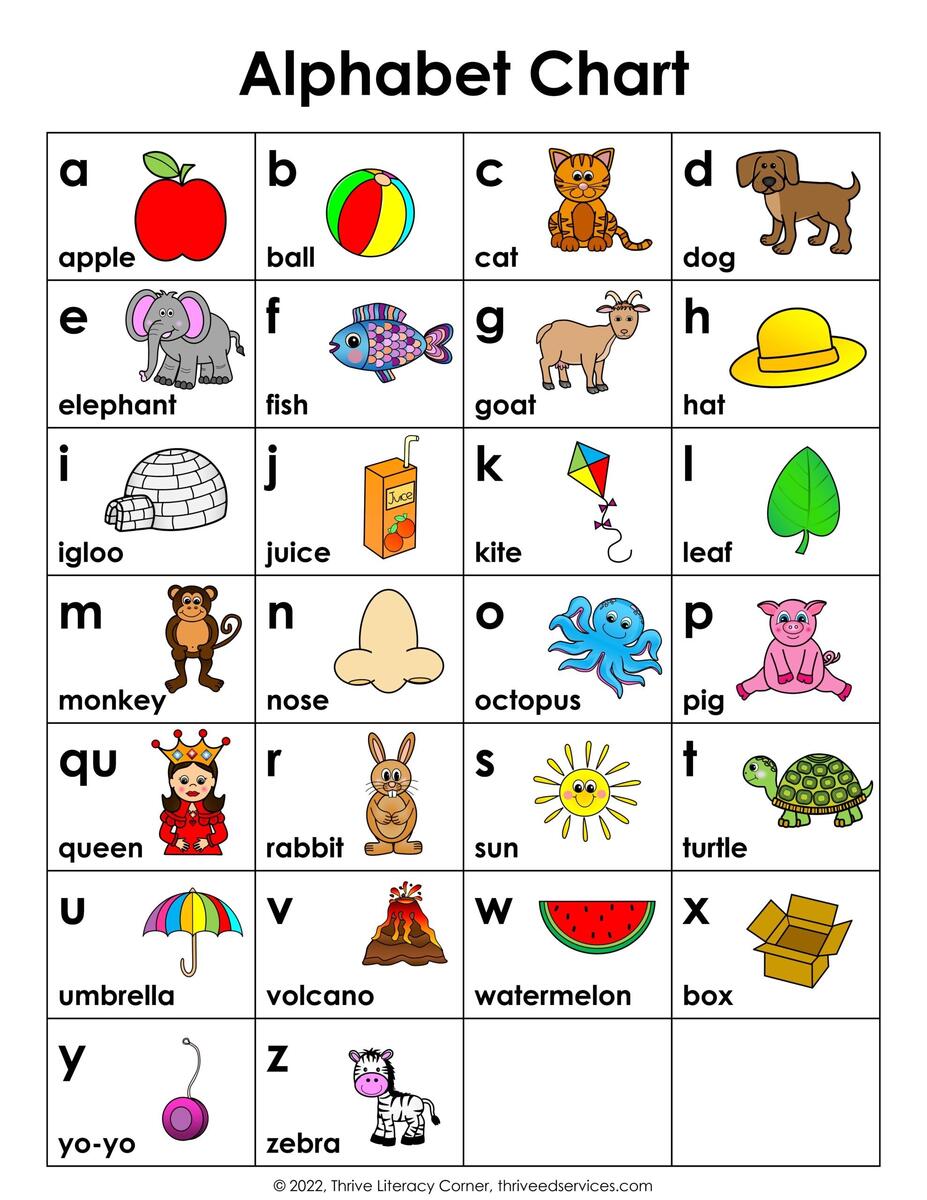
ABC Chart How To Use An Alphabet Chart Free Printable