Ohms Law is a fundamental concept in electrical engineering that describes the relationship between voltage, current, and resistance. It states that the current flowing through a conductor is directly proportional to the voltage applied and inversely proportional to the resistance of the conductor. This law is crucial in designing and analyzing electrical circuits, and understanding it is essential for any electrical engineering project.
The Ohms Law formula is often represented as I = V/R, where I is the current, V is the voltage, and R is the resistance. However, remembering this formula and applying it to complex circuits can be challenging. This is where a pie chart comes in handy. A pie chart is a circular statistical graphic divided into slices to illustrate numerical proportion. In the context of Ohms Law, a pie chart can help visualize the relationship between voltage, current, and resistance, making it easier to understand and apply the law.
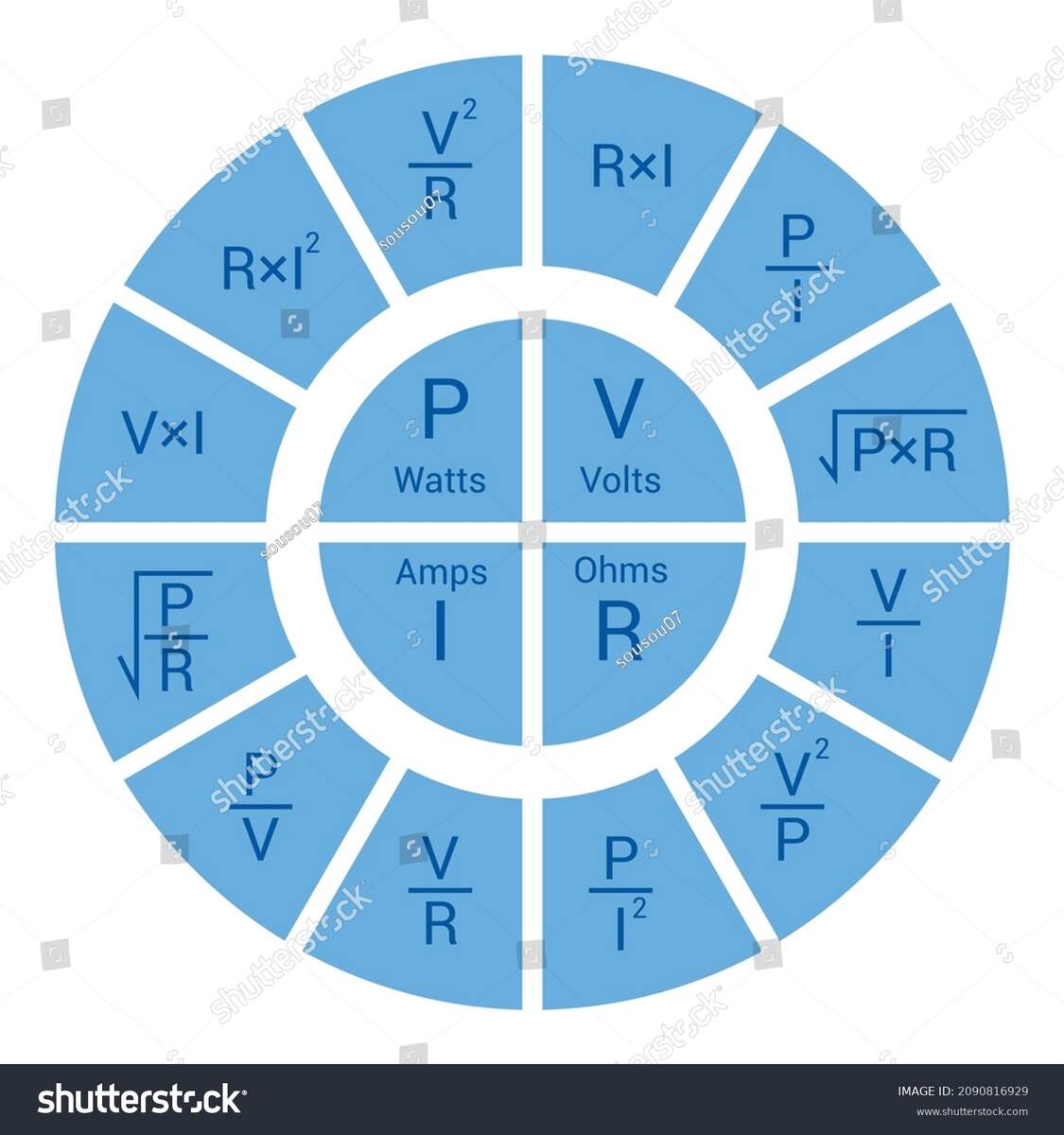
Ohms Law Pie Chart Diagram Stock Vector Royalty Free 2090816929 Shutterstock
Understanding Ohms Law
Understanding Ohms Law is the first step to mastering electrical engineering. The law is based on the idea that the current flowing through a conductor is directly proportional to the voltage applied and inversely proportional to the resistance of the conductor. By using a pie chart to represent the Ohms Law formula, you can better comprehend the relationship between these three variables and make more accurate calculations. The pie chart can be divided into sections to represent the different components of the formula, making it a valuable tool for students and professionals alike.
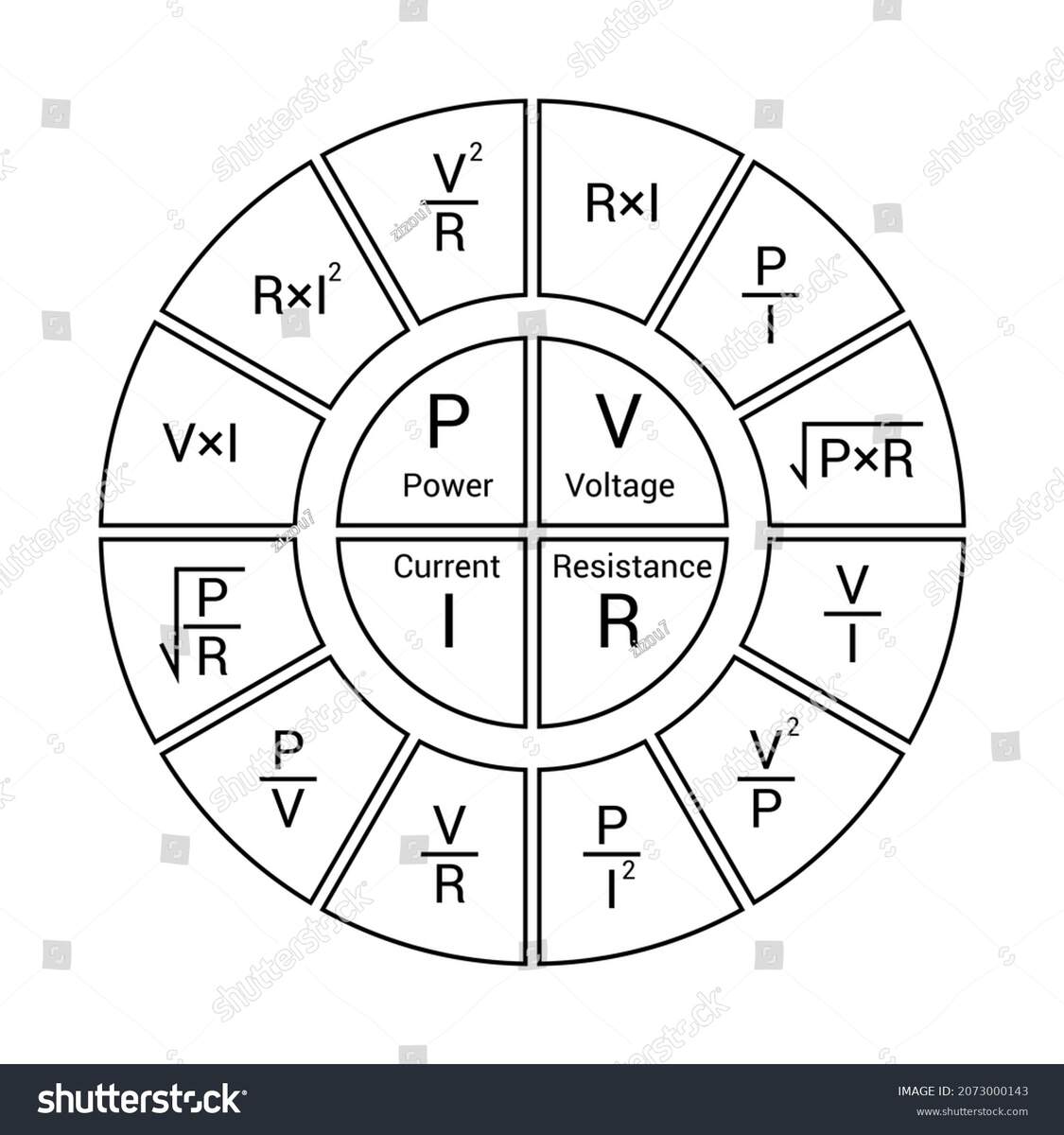
Ohms Law Circle Diagram Electrical Formula Stock Vector Royalty Free 2073000143 Shutterstock
Benefits of a Pie Chart
The benefits of using a pie chart to represent Ohms Law are numerous. For one, it provides a visual representation of the formula, making it easier to understand and remember. Additionally, a pie chart can help you identify the relationships between the different variables and make more accurate calculations. By using a pie chart, you can also simplify complex circuits and analyze them more efficiently. Furthermore, a pie chart can be a useful tool for teaching and learning, as it provides a clear and concise representation of the Ohms Law formula.
Creating Your Own Printable
Creating your own printable Ohms Law pie chart is easier than you think. You can use a variety of software programs or online tools to design and print your own pie chart. Simply divide the chart into sections to represent the different components of the Ohms Law formula, and add labels and colors to make it more visually appealing. You can also customize the chart to fit your specific needs and preferences. With a printable pie chart, you can have a handy reference guide to Ohms Law that you can use whenever you need it.
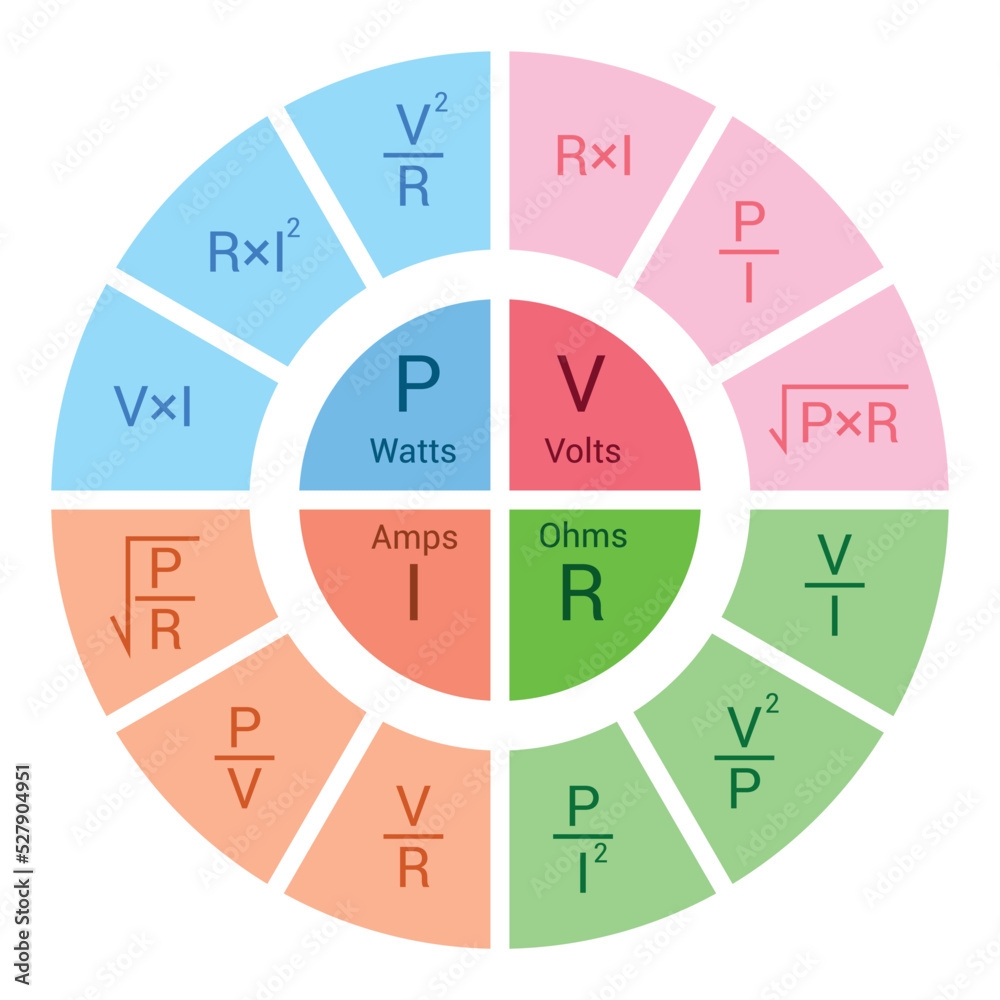
Ohm S Law Pie Chart Diagram Stock Vector Adobe Stock
In conclusion, an Ohms Law pie chart printable is a valuable tool for anyone working with electrical engineering. It provides a visual representation of the Ohms Law formula, making it easier to understand and apply. By using a pie chart, you can simplify complex circuits, make more accurate calculations, and analyze electrical systems more efficiently. Whether you are a student or a professional, a printable Ohms Law pie chart is a useful resource that can help you master the fundamentals of electrical engineering.
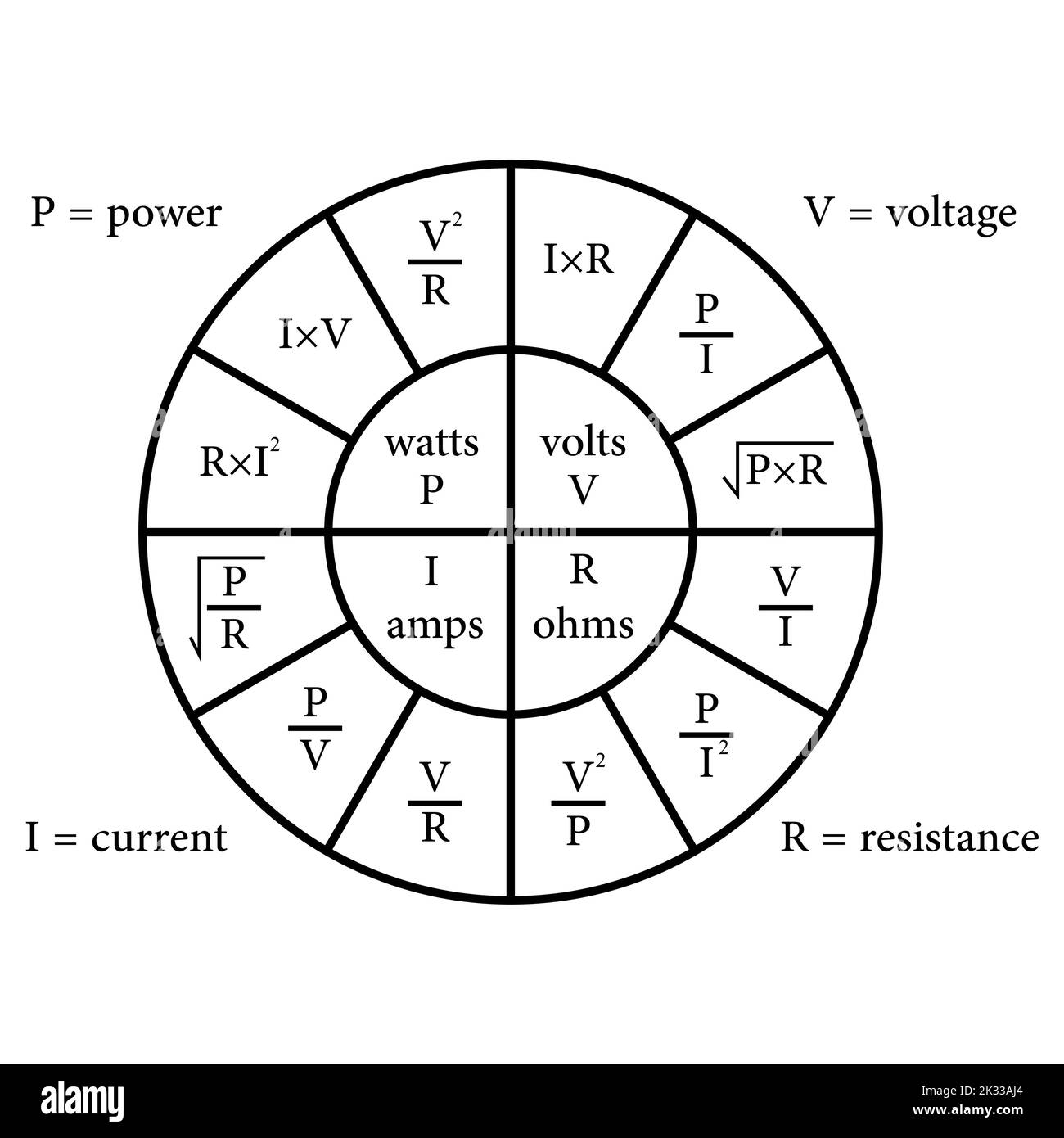
Ohm S Law Pie Chart Diagram Stock Vector Image Art Alamy
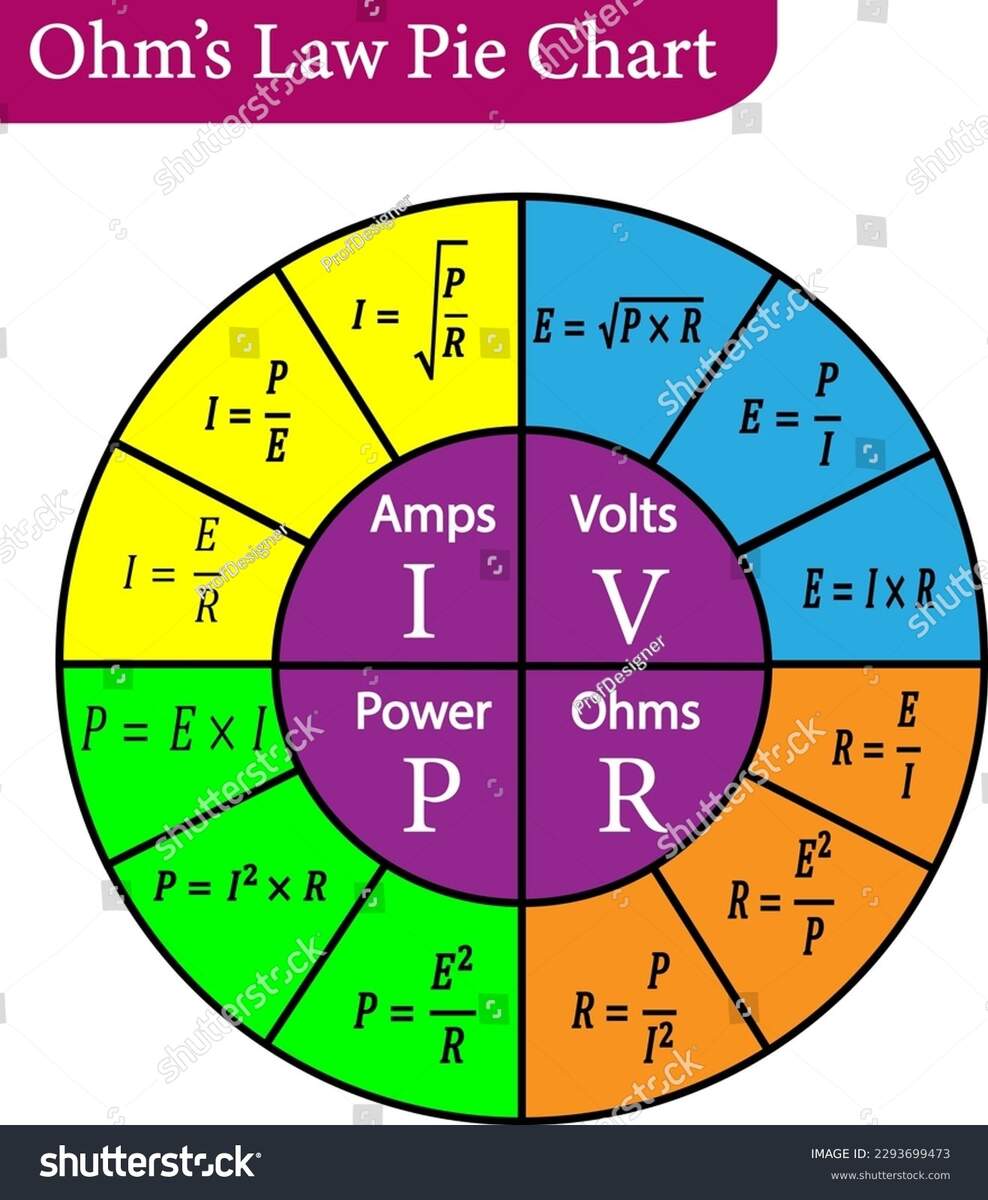
Illustration Ohms Law Pie Chart Stock Vector Royalty Free 2293699473 Shutterstock