The violin is a beautiful and complex instrument, with a rich history and a unique sound. One of the most important aspects of playing the violin is understanding the fingerboard, which can be a daunting task for beginners. The fingerboard is the long, flat piece of wood on the neck of the violin, where the player presses the strings to produce different notes. With so many strings and frets to navigate, it’s easy to get confused – but with the right tools and resources, anyone can learn to master the violin.
For many violinists, a printable violin fingerboard chart is an essential tool for learning and improving their skills. These charts provide a visual representation of the fingerboard, showing the location of each note and the finger placement required to play it. By using a printable fingerboard chart, violinists can quickly and easily learn the layout of the fingerboard, and develop the muscle memory needed to play complex melodies and chords.
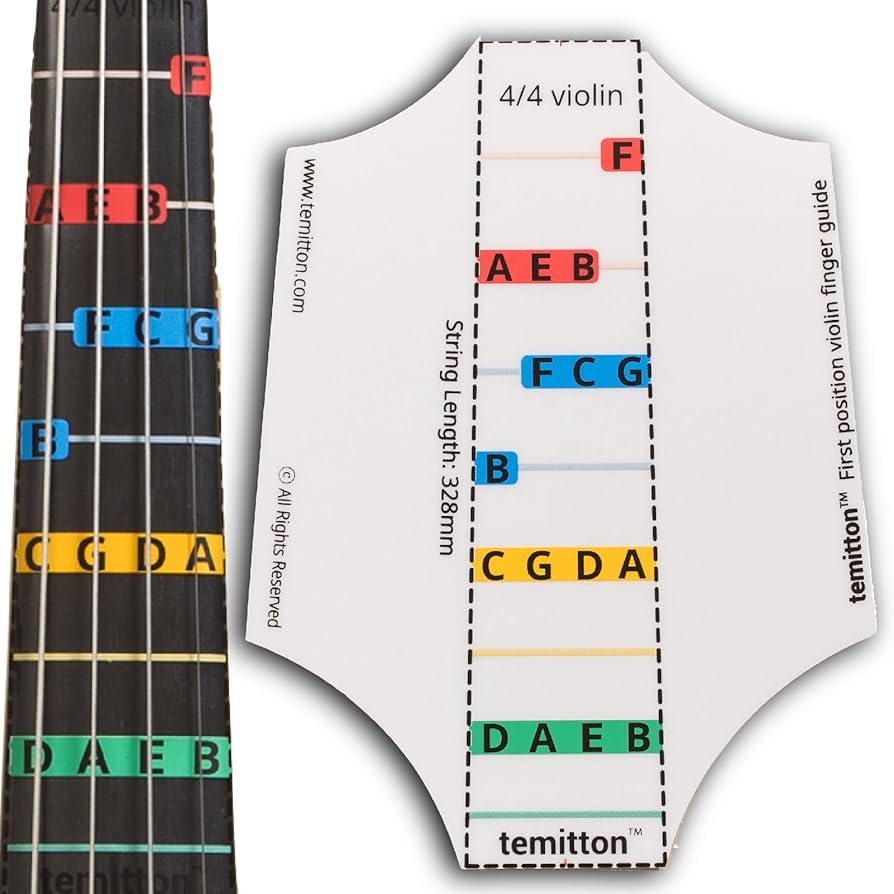
Amazon Non Adhesive Violin Finger Guide And Fingering Chart Static Cling Fingerboard Stickers Note Labels Type B Note Names 4 4 Full Size Musical Instruments
Understanding the Violin Fingerboard
The violin fingerboard is a fascinating piece of craftsmanship, with a unique layout and design. The fingerboard is typically made of a hardwood such as ebony or rosewood, and is attached to the neck of the violin. It’s divided into four strings, each with a different pitch and playing style. By understanding the layout of the fingerboard, violinists can begin to learn the basics of music theory, including notes, scales, and chords. With a printable fingerboard chart, violinists can see the relationships between different notes and strings, and develop a deeper understanding of the music they play.
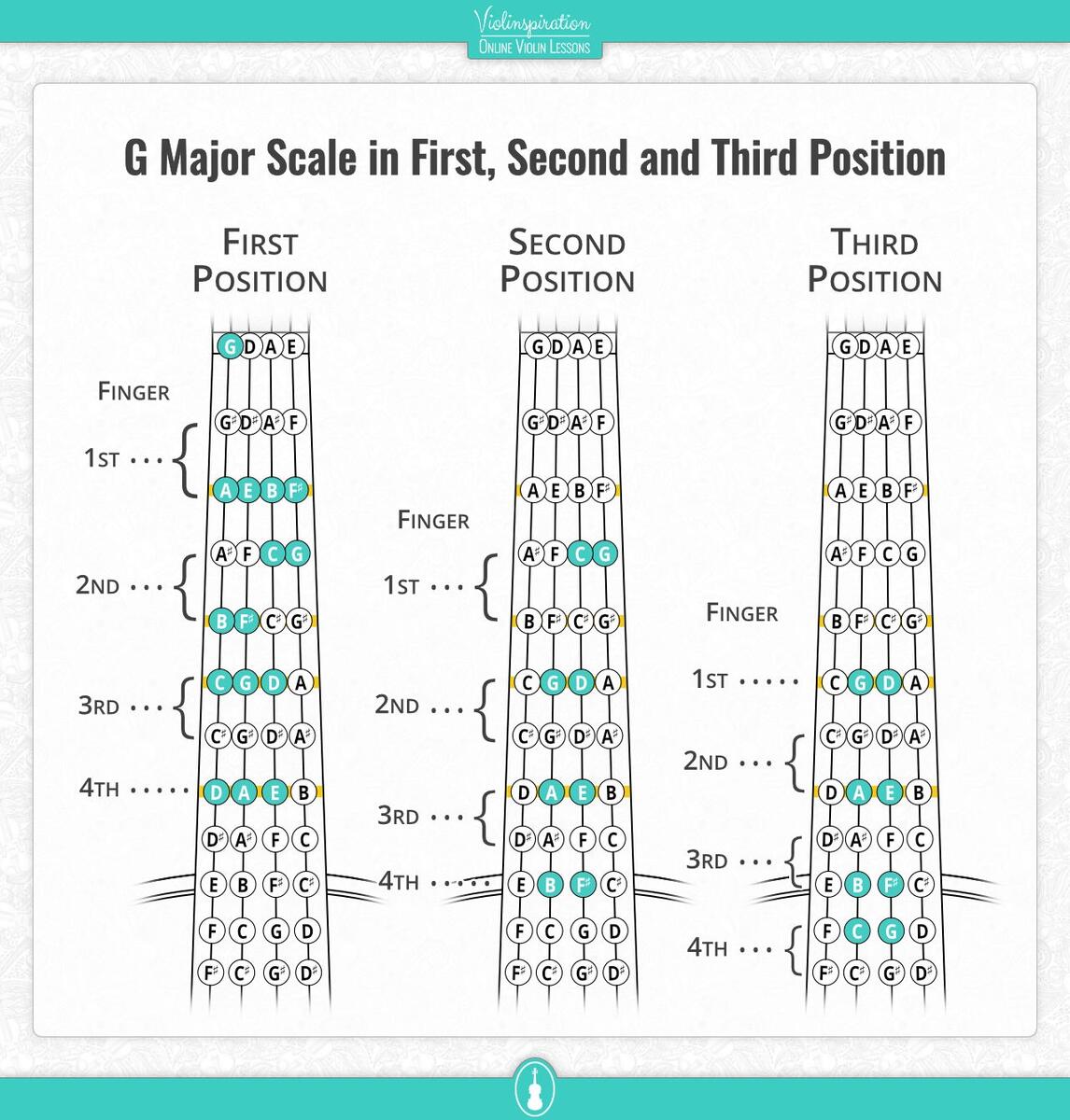
Violin Finger Positions And Patterns Free PDF Charts Violinspiration
Benefits of Using a Printable Fingerboard Chart
Using a printable violin fingerboard chart can have a number of benefits for violinists of all levels. For beginners, a fingerboard chart can provide a clear and concise introduction to the layout of the fingerboard, and help to build confidence and accuracy. For more advanced players, a fingerboard chart can be a useful tool for learning new pieces and techniques, and for refining their skills. By practicing with a fingerboard chart, violinists can improve their intonation, tone, and overall musicianship – and take their playing to the next level.
How to Use a Violin Fingerboard Chart Printable
So how can you use a violin fingerboard chart printable to improve your playing? The first step is to download and print out a chart, which can be found online or in music stores. Once you have your chart, start by familiarizing yourself with the layout of the fingerboard, and the location of each note. Practice playing simple melodies and scales, using the chart to guide your finger placement. As you become more confident, try playing more complex pieces, and use the chart to help you navigate the fingerboard. With regular practice and dedication, you’ll be playing like a pro in no time – and enjoying the many rewards of playing the violin.
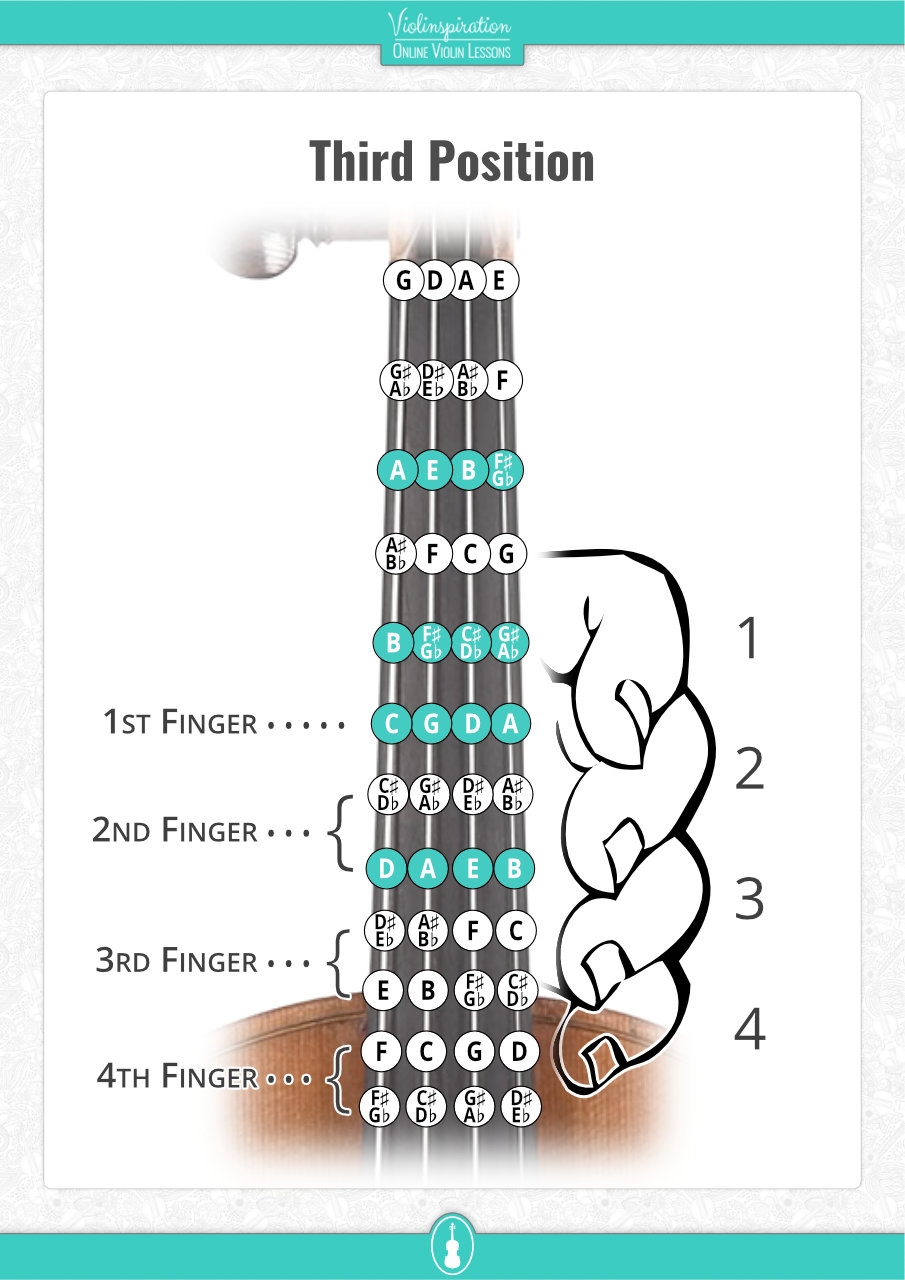
Free Violin Fingering Charts PDF Violinspiration
In conclusion, a printable violin fingerboard chart is a valuable resource for any violinist. Whether you’re a beginner or an advanced player, a fingerboard chart can help you to improve your skills, build your confidence, and enjoy the music you play. By understanding the layout of the fingerboard, and practicing with a chart, you can take your playing to new heights – and experience the joy and satisfaction of making music with the violin.
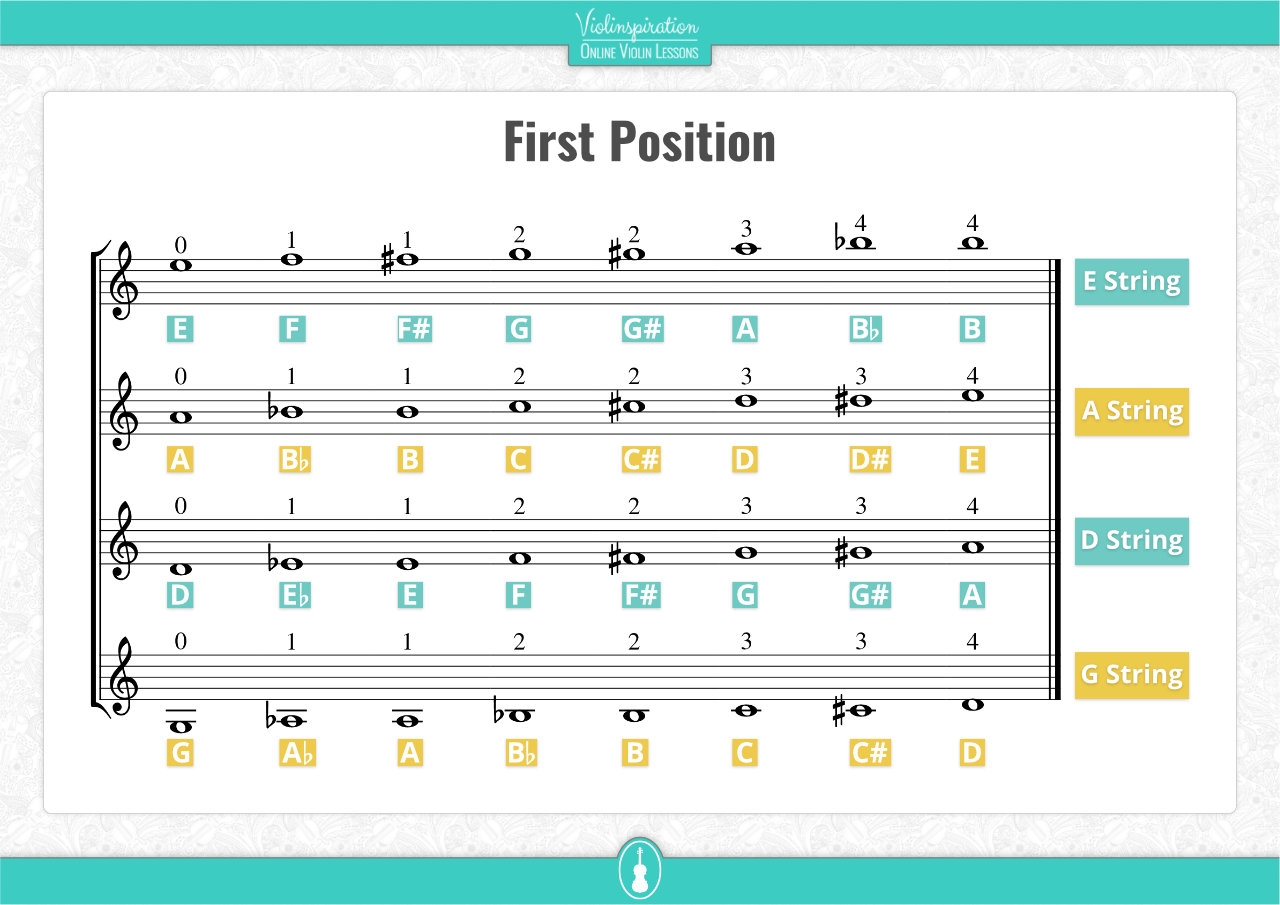
Free Violin Fingering Charts PDF Violinspiration
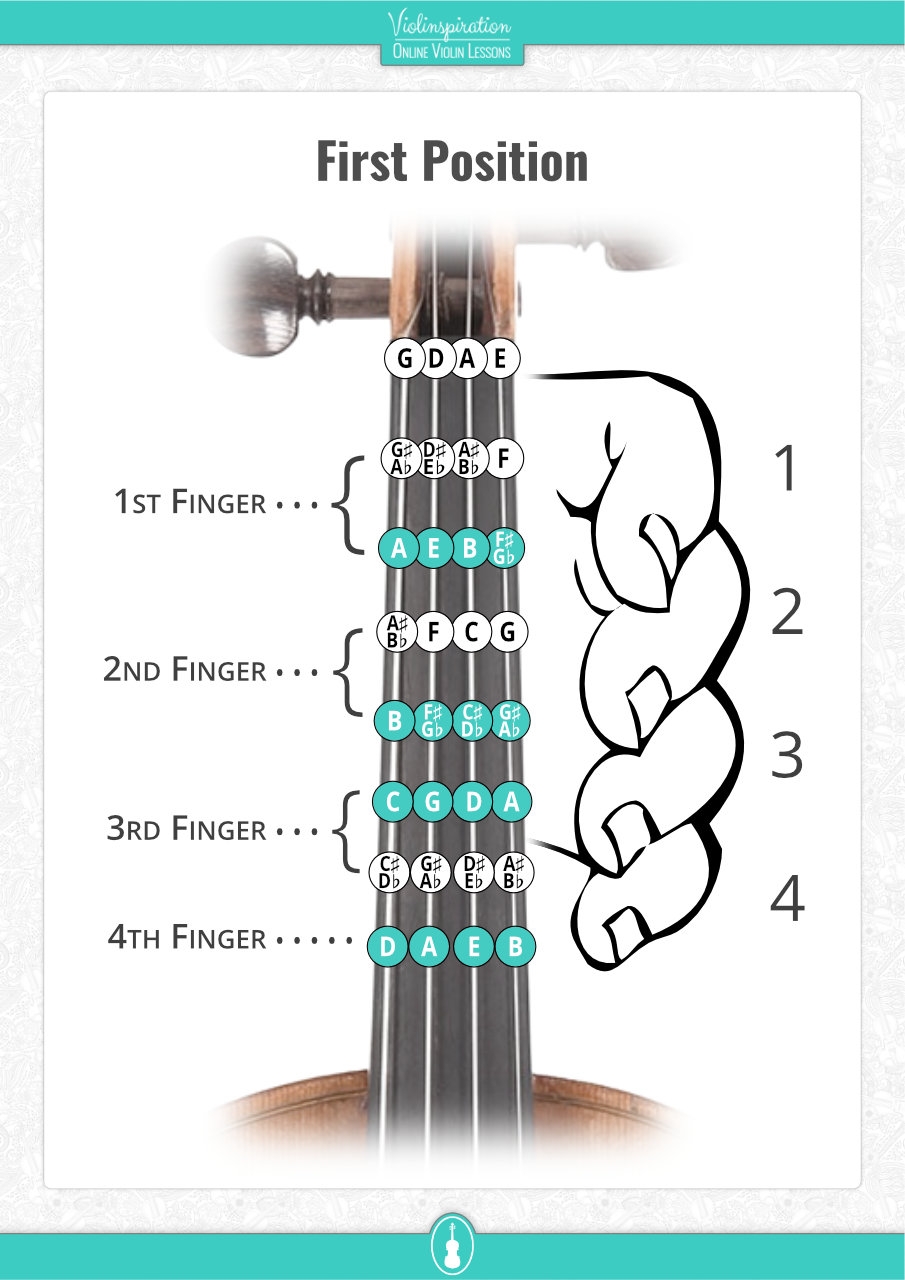
Free Violin Fingering Charts PDF Violinspiration