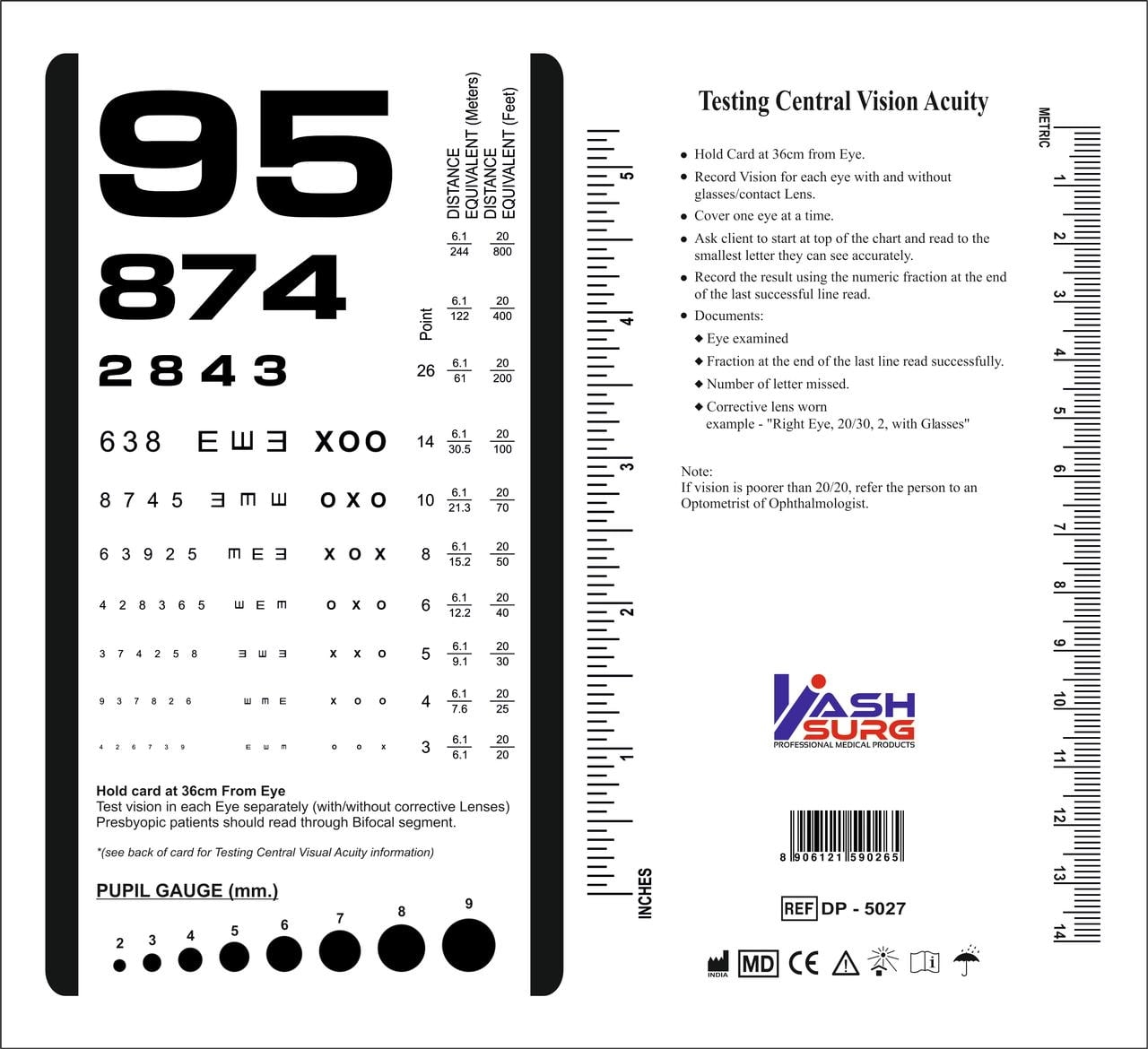
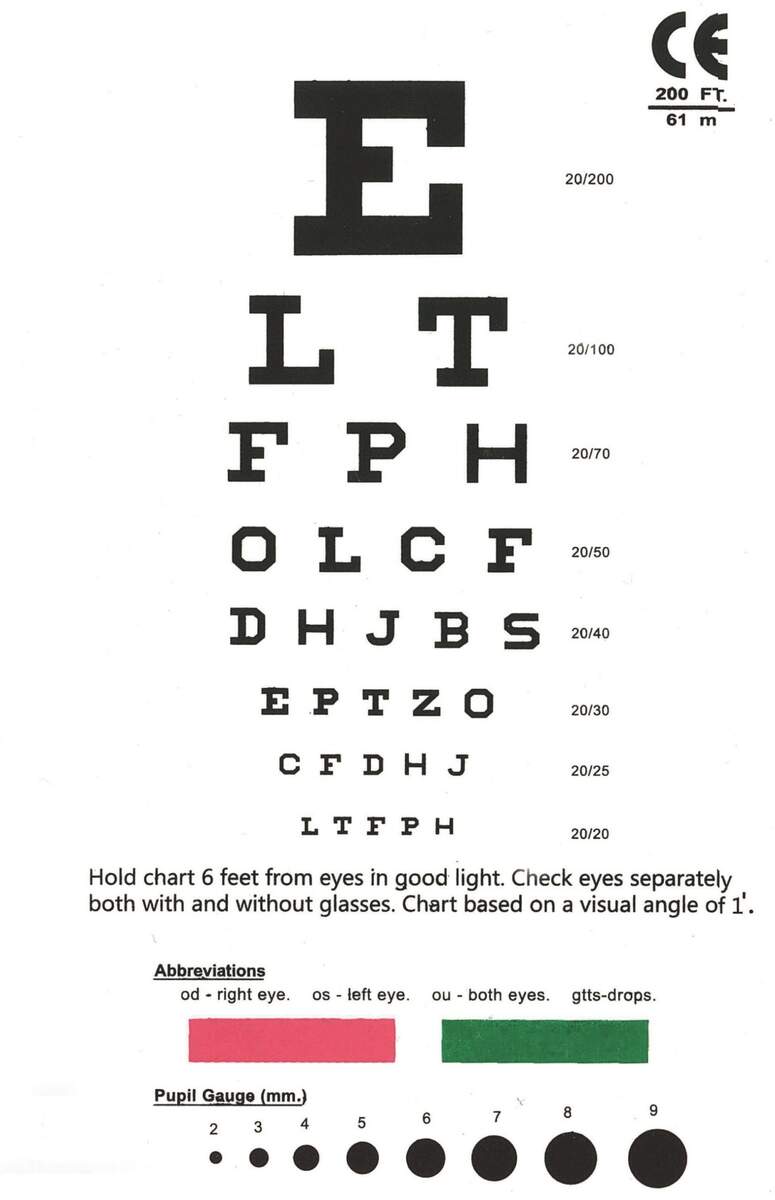
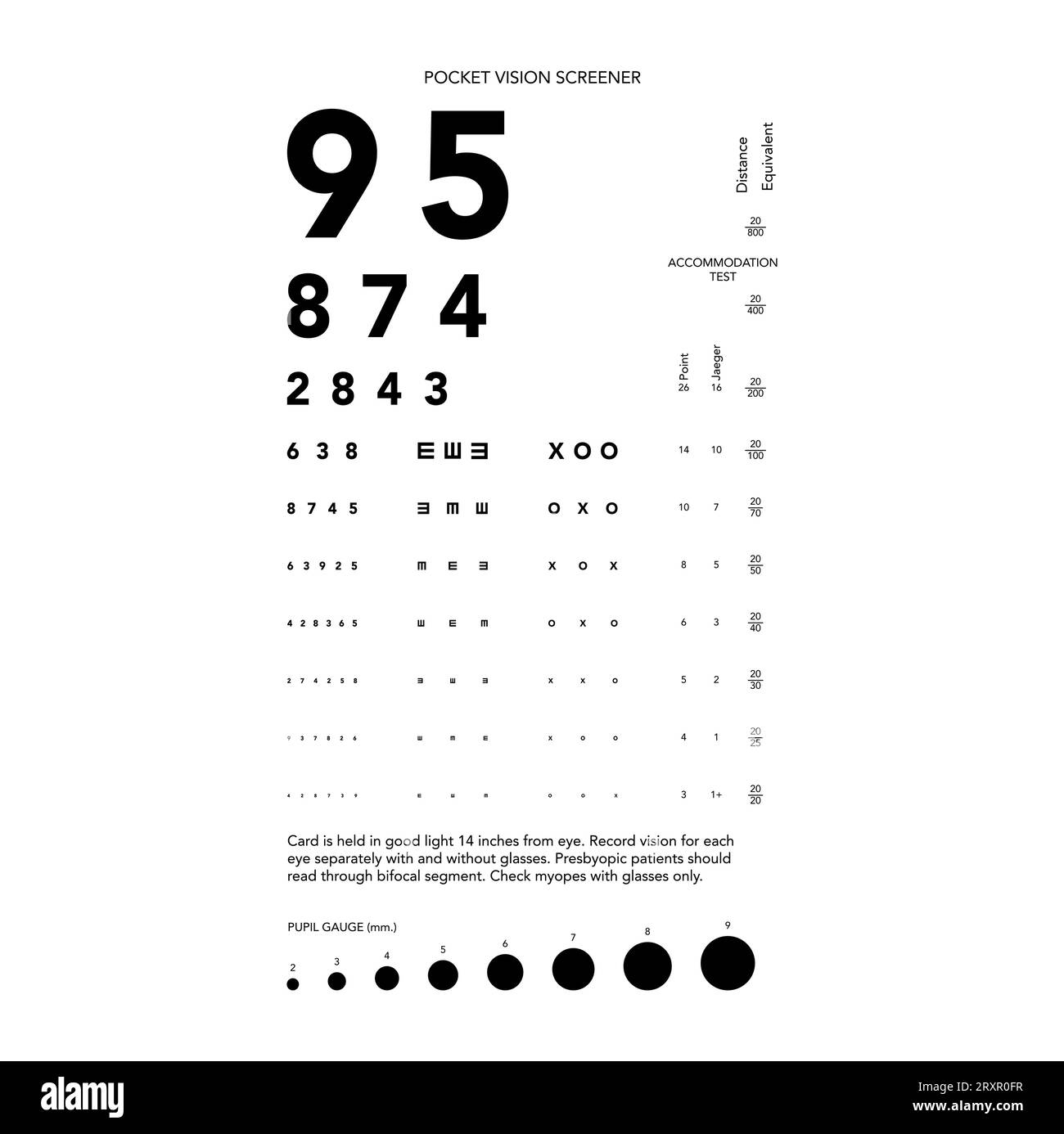
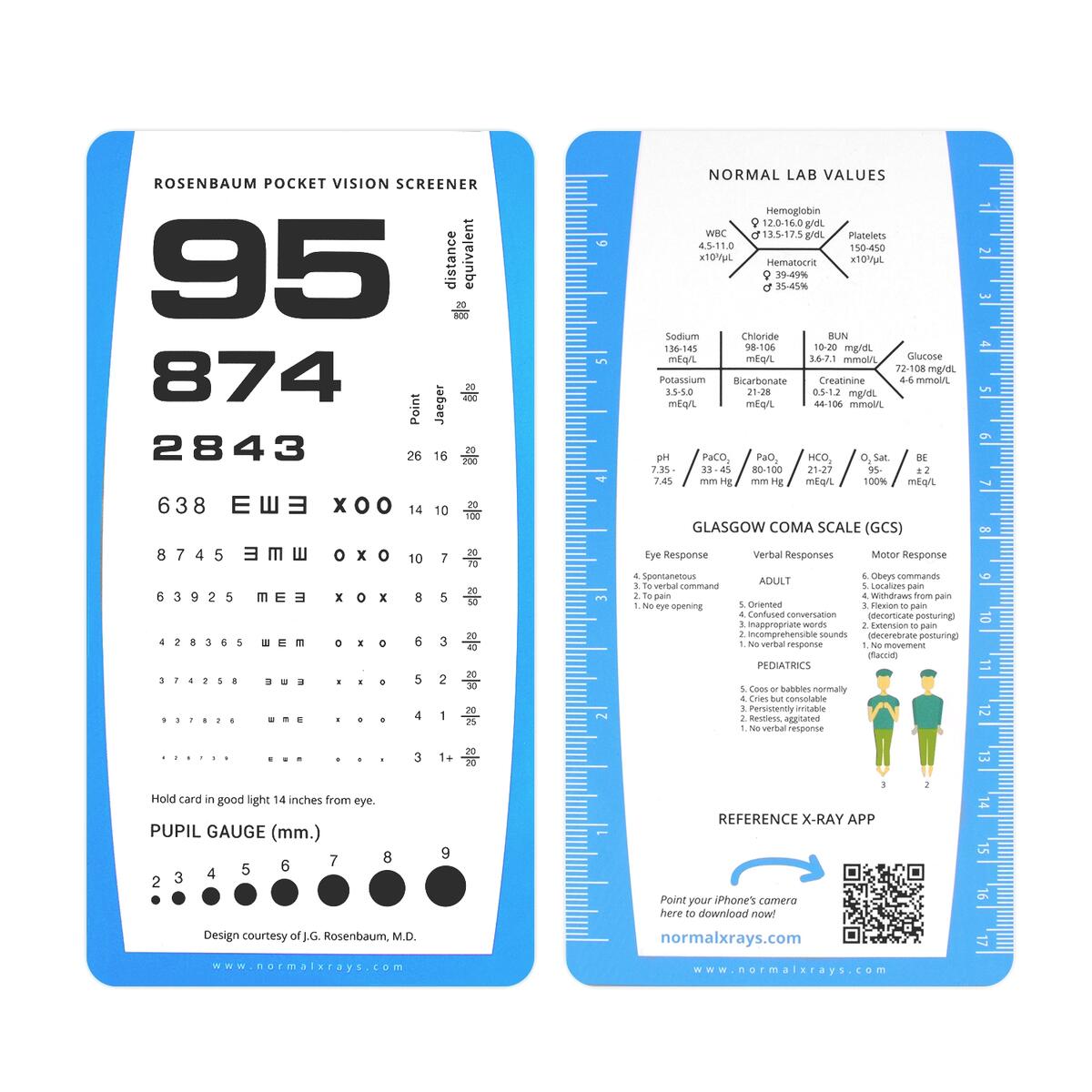
The Rosenbaum eye chart is a widely used tool for measuring visual acuity, which is the sharpness and clarity of vision. It was developed by James Rosenbaum, an American ophthalmologist, and is commonly used in medical offices, schools, and other settings where vision testing is necessary. The chart consists of a series of lines with letters of decreasing size, which the person being tested must read from a distance.
Having a printable version of the Rosenbaum eye chart can be very convenient, as it allows you to test vision anywhere, without the need for specialized equipment. The chart can be printed on standard paper and used in a variety of settings, making it a great resource for parents, teachers, and healthcare professionals. In addition to its convenience, the printable Rosenbaum eye chart is also a cost-effective solution for vision testing, as it eliminates the need for expensive equipment or specialized training.
Bawsh Rosenbaum Pocket Eye Chart Walmart
What is the Rosenbaum Eye Chart?
The Rosenbaum eye chart is a simple and effective tool for measuring visual acuity, but it can be confusing for those who are not familiar with it. The chart consists of a series of lines with letters of decreasing size, which the person being tested must read from a distance. The results of the test can be used to determine the person’s visual acuity, which is typically measured in terms of 20/20 vision. This means that the person can see objects clearly at a distance of 20 feet that a person with normal vision can also see at 20 feet.
Rosenbaum Eye Chart Maccoy Pocket Eye Chart Rosenbaum Snellen Pupil Gauge Color Test Vision Chart
How to Use the Printable Rosenbaum Eye Chart
Using the printable Rosenbaum eye chart is relatively straightforward, but there are a few things to keep in mind to ensure accurate results. First, the chart should be printed on high-quality paper and mounted on a flat surface, such as a wall or an easel. The person being tested should stand at a distance of 20 feet from the chart, with their eyes at the same level as the top line of letters. They should then cover one eye and read the letters on the chart, starting from the top line and working their way down.
Benefits of Using a Printable Eye Chart
There are several benefits to using a printable eye chart, including convenience, cost-effectiveness, and accuracy. The chart can be printed and used anywhere, making it a great resource for parents, teachers, and healthcare professionals. Additionally, the chart is a cost-effective solution for vision testing, as it eliminates the need for expensive equipment or specialized training. The results of the test can be used to determine the person’s visual acuity, which is an important factor in determining their overall eye health.
Brand New Ultimate Pocket Eye Chart Rosenbaum Snellen
In conclusion, the printable Rosenbaum eye chart is a valuable resource for anyone who needs to test vision, whether it’s for personal or professional use. The chart is easy to use, cost-effective, and provides accurate results, making it a great alternative to traditional vision testing methods. By following the simple instructions and guidelines outlined above, you can use the printable Rosenbaum eye chart to test vision and determine visual acuity with confidence.
Rosenbaum Pocket Vision Screener 14 Inches Visual Acuity Test
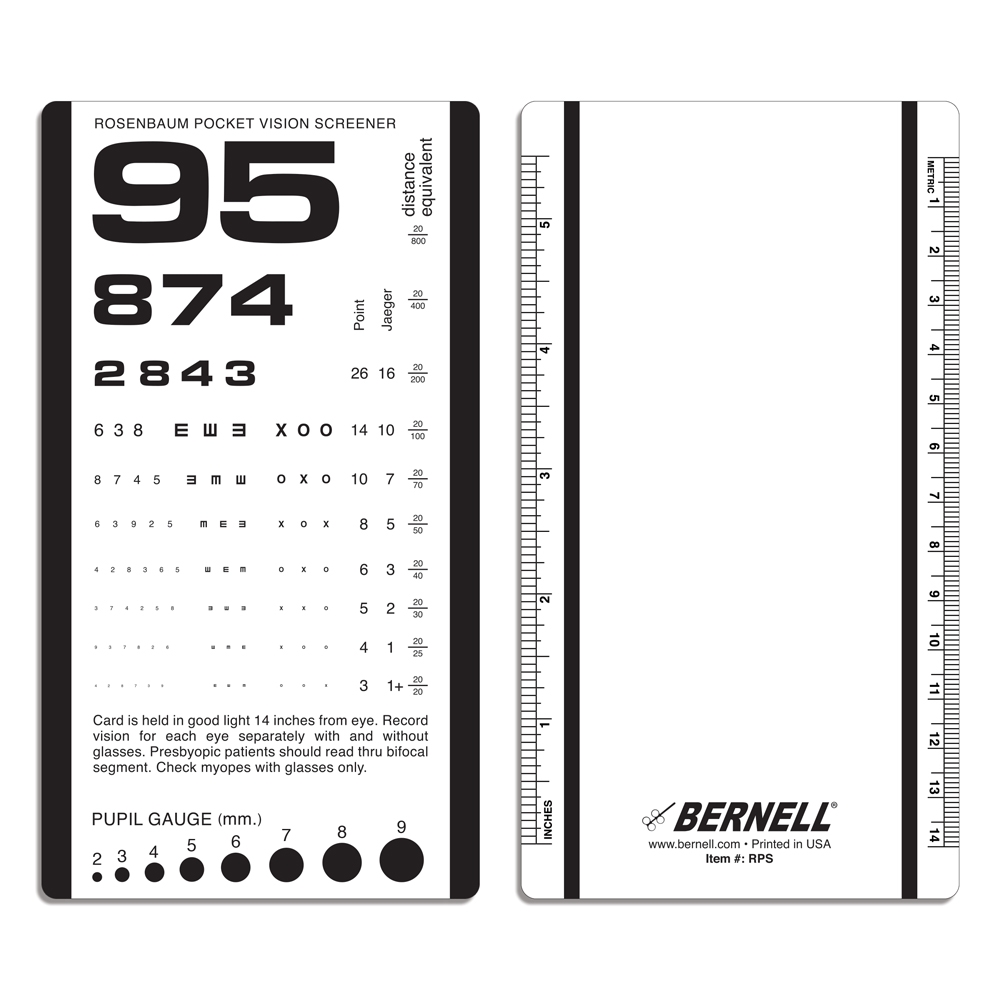
Rosenbaum Pocket Vision Screener Near Vision Card For Optometrists