The Chart of the Nuclides is a comprehensive table that displays the properties of atomic nuclei, including their proton and neutron numbers, stable and unstable isotopes, and decay modes. This chart is an essential tool for nuclear physicists, chemists, and engineers, as it provides a visual representation of the complex relationships between different nuclei. By studying the Chart of the Nuclides, researchers can gain insights into the structure and behavior of atomic nuclei, which is crucial for advancing our understanding of nuclear physics and chemistry.
For many years, the Chart of the Nuclides was only available in printed form, making it difficult for researchers to access and use. However, with the advent of digital technology, it is now possible to create a printable chart that can be easily accessed and shared. A printable Chart of the Nuclides offers numerous benefits, including the ability to customize the chart to suit specific research needs, easily update the chart with new data, and share the chart with colleagues and students.
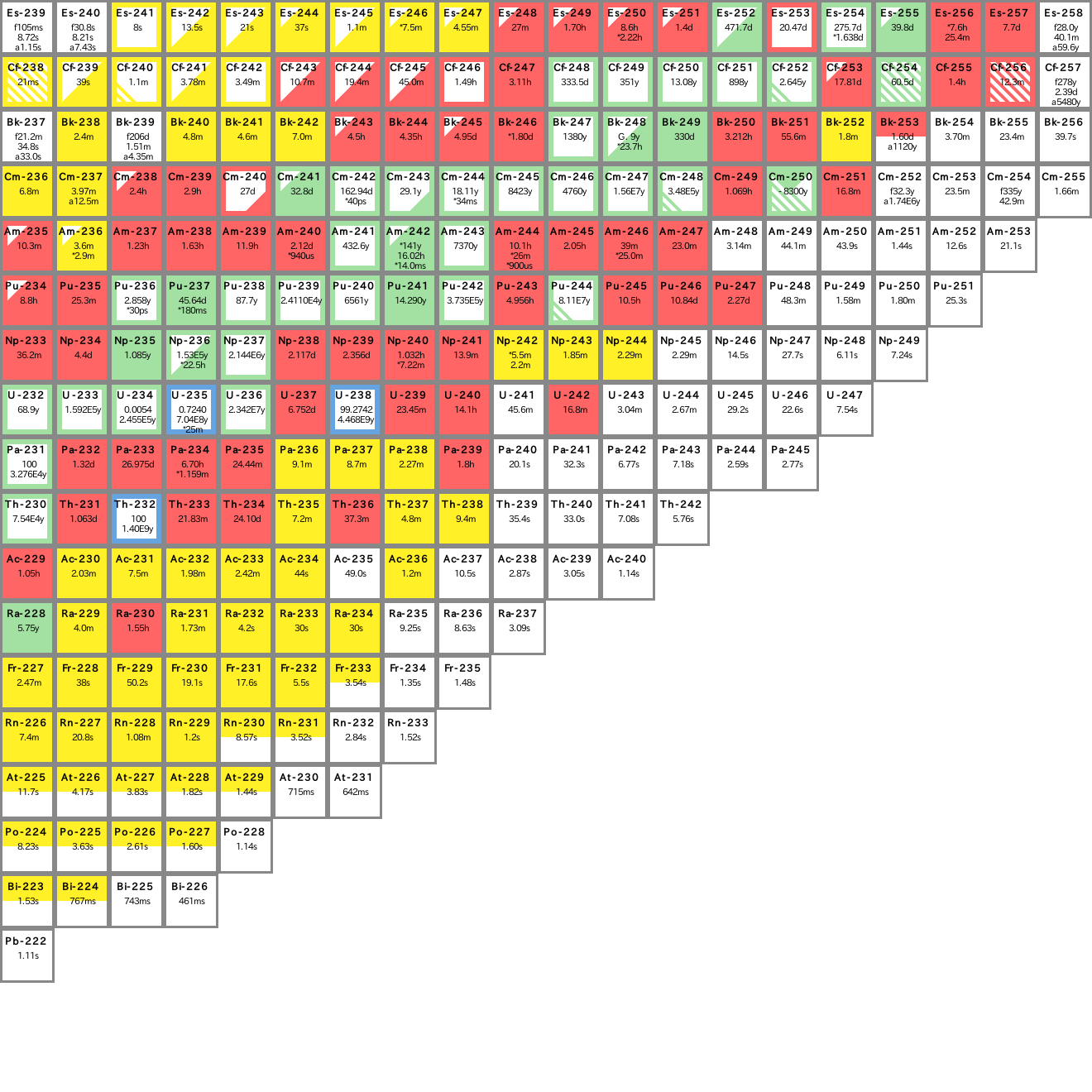
Chart Of The Nuclides 2014
What is the Chart of the Nuclides?
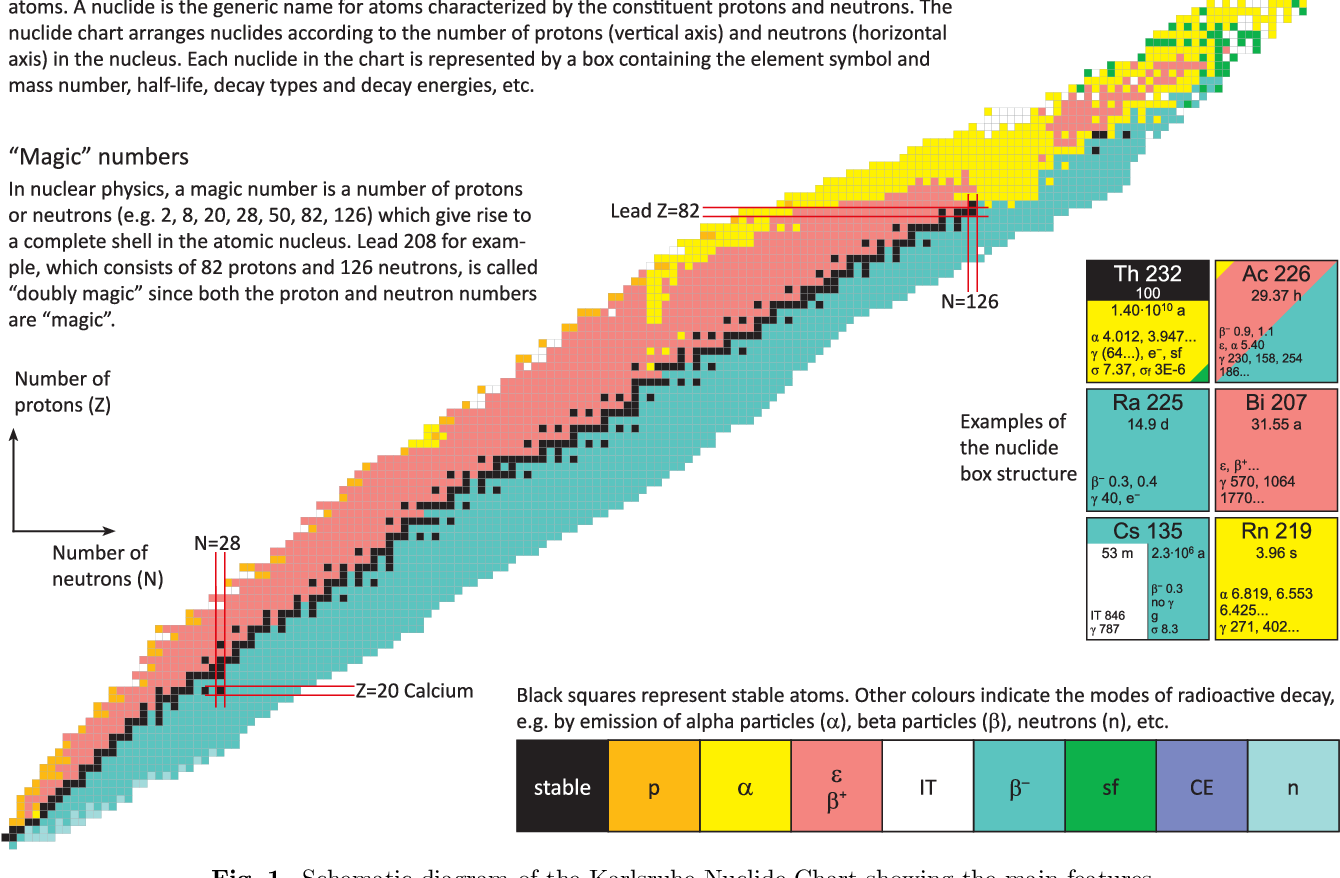
The Chart of the Nuclides is a complex table that displays a vast amount of information about atomic nuclei. At its core, the chart is a two-dimensional table that plots the number of protons (atomic number) against the number of neutrons (neutron number) in an atomic nucleus. The chart also includes information about the stability of each nucleus, including whether it is stable or unstable, and its decay mode. By understanding the different sections of the chart and how to interpret the data, researchers can use the Chart of the Nuclides to identify patterns and trends in nuclear physics and chemistry.
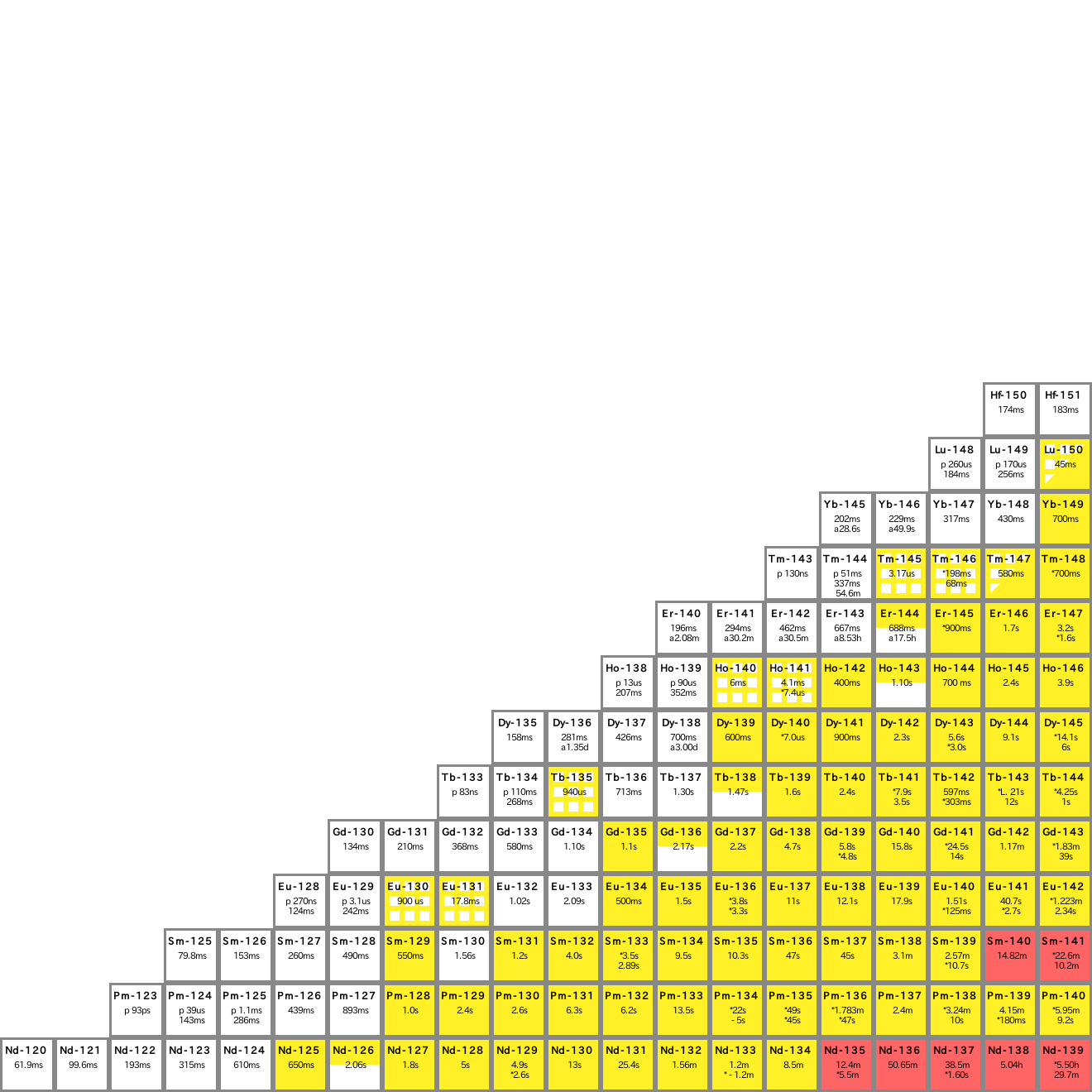
Chart Of The Nuclides 2014
Benefits of a Printable Chart
One of the main benefits of a printable Chart of the Nuclides is its convenience and flexibility. A printable chart can be easily customized to suit specific research needs, such as highlighting specific isotopes or decay modes. Additionally, a printable chart can be easily updated with new data, ensuring that researchers have access to the most accurate and up-to-date information. Furthermore, a printable chart can be shared easily with colleagues and students, making it an ideal tool for teaching and collaboration.
How to Use the Chart of the Nuclides
Using the Chart of the Nuclides requires a basic understanding of nuclear physics and chemistry. Researchers can use the chart to identify the properties of specific nuclei, including their proton and neutron numbers, stable and unstable isotopes, and decay modes. The chart can also be used to identify patterns and trends in nuclear physics and chemistry, such as the relationship between nuclear stability and the number of protons and neutrons. By using the Chart of the Nuclides in conjunction with other research tools, such as nuclear models and simulations, researchers can gain a deeper understanding of the complex phenomena that govern nuclear physics and chemistry.
PDF Karlsruhe Nuclide Chart New 10th Edition 2018 Semantic Scholar
In conclusion, the Chart of the Nuclides is a powerful tool for understanding nuclear physics and chemistry. A printable chart offers numerous benefits, including convenience, flexibility, and customization. By using the Chart of the Nuclides, researchers can gain insights into the structure and behavior of atomic nuclei, identify patterns and trends in nuclear physics and chemistry, and advance our understanding of the complex phenomena that govern these fields. Whether you are a researcher, student, or teacher, a printable Chart of the Nuclides is an essential resource for anyone interested in nuclear physics and chemistry.
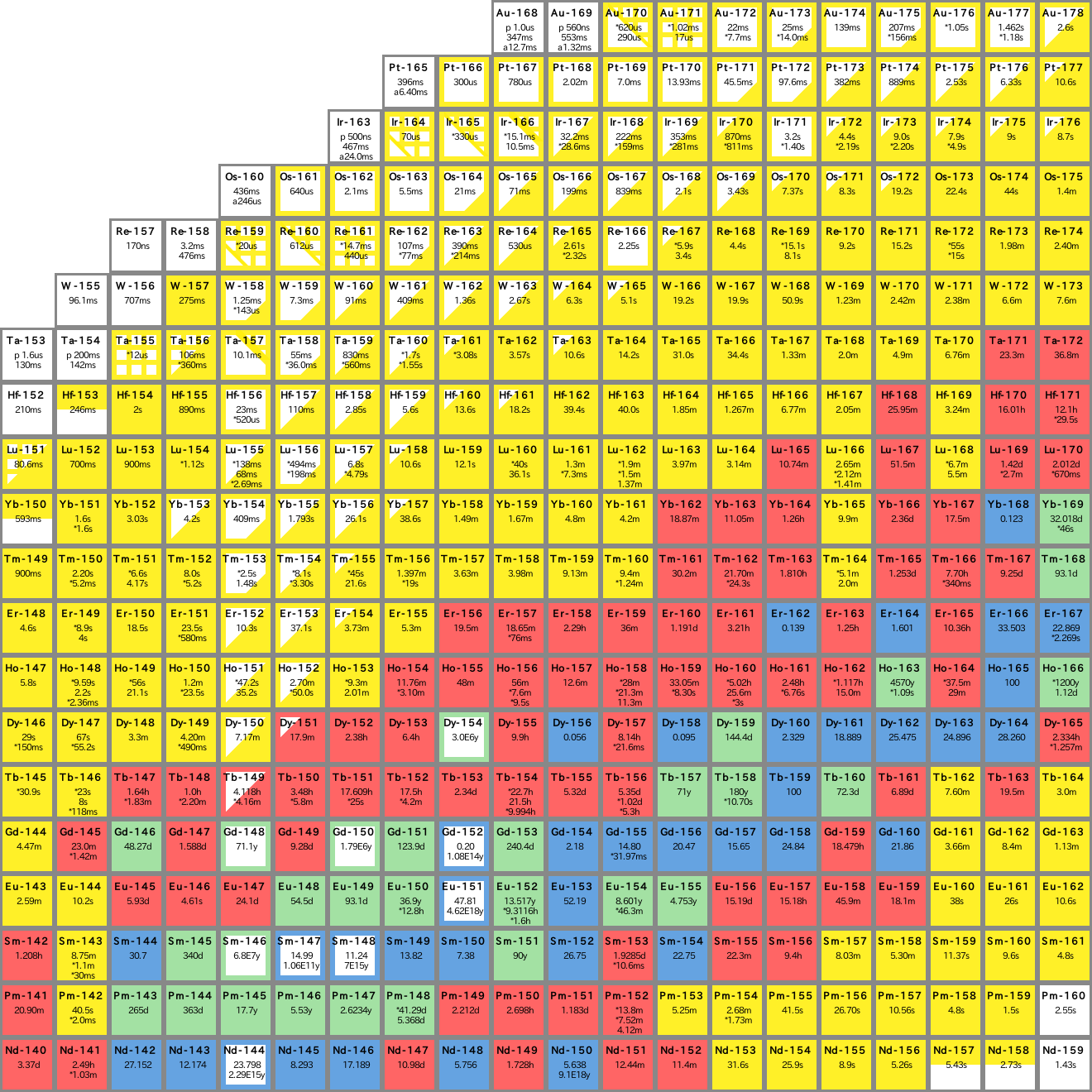
Chart Of The Nuclides 2014
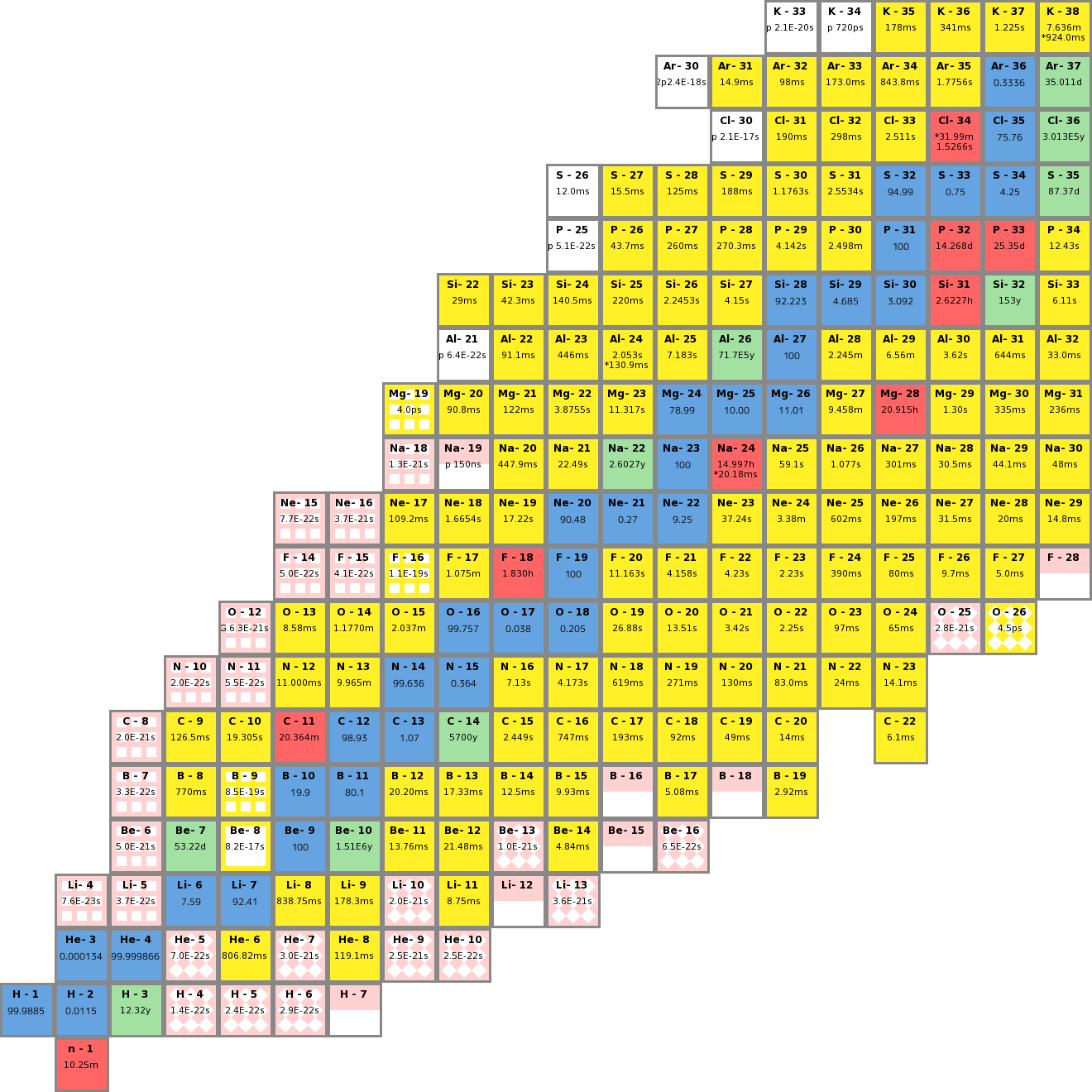
Chart Of The Nuclides 2014