Cooking oils are an essential component of any kitchen, and with so many options available, it can be overwhelming to decide which one to use. From olive oil to coconut oil, each type of oil has its unique characteristics, uses, and health benefits. A printable chart cooking oils can be a valuable resource for home cooks and professional chefs alike, providing a quick reference guide to the different types of oils and their applications.
Whether you’re a beginner in the kitchen or an experienced cook, having a printable chart cooking oils can help you make informed decisions about the oils you use in your cooking. With a chart, you can easily compare the smoke points, flavor profiles, and nutritional content of different oils, ensuring that you choose the best oil for your recipe. Additionally, a printable chart can be a great teaching tool for those looking to learn more about cooking oils and how to use them effectively.
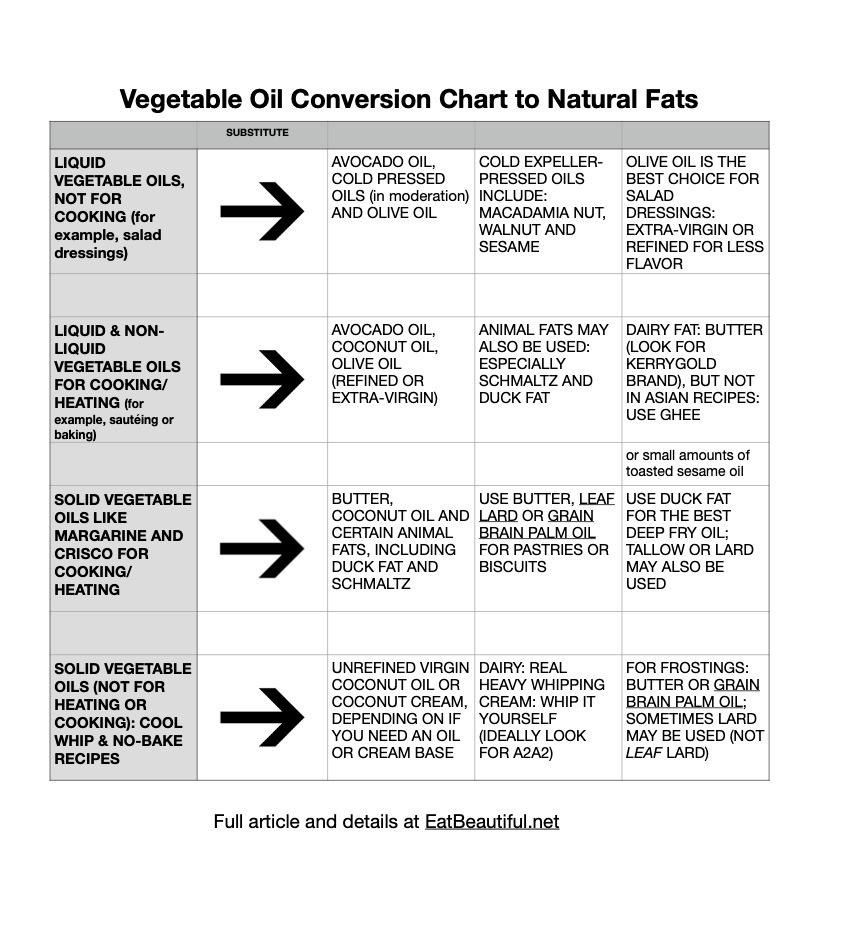
Healthier Alternatives To Vegetable Oil CONVERSION CHART To Natural Fats With Free Printable PDF Eat Beautiful
Understanding Cooking Oils
Understanding cooking oils is the first step to mastering the art of cooking. With a printable chart, you can learn about the different types of oils, including olive oil, coconut oil, avocado oil, and more. Each type of oil has its unique characteristics, such as smoke point, flavor profile, and nutritional content. By understanding these characteristics, you can choose the right oil for your dish and ensure that your food is cooked to perfection.
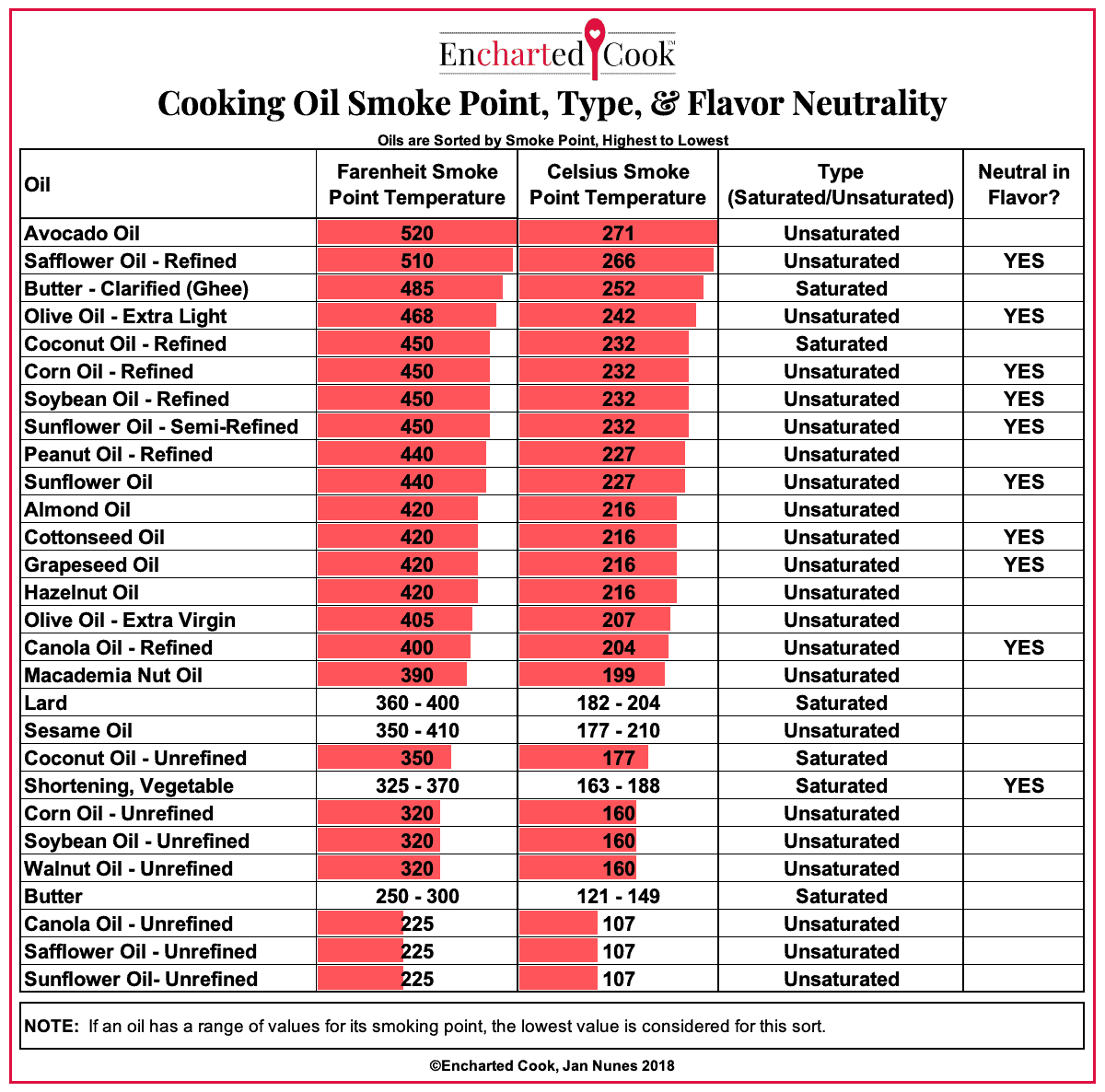
Cooking Oil Smoke Points And Flavor Neutrality Chart Encharted Cook
Choosing the Right Oil for Your Dish
Choosing the right oil for your dish can make all the difference in the flavor and texture of your food. With a printable chart cooking oils, you can easily determine which oil is best suited for your recipe. For example, if you’re making a stir-fry, you may want to use an oil with a high smoke point, such as avocado oil or grapeseed oil. On the other hand, if you’re making a salad dressing, you may want to use an oil with a mild flavor, such as olive oil or sunflower oil.
Health Benefits of Cooking Oils
Cooking oils are not only essential for cooking, but they also offer numerous health benefits. Many oils are rich in antioxidants, which can help protect against chronic diseases such as heart disease and cancer. Additionally, some oils, such as olive oil and coconut oil, have anti-inflammatory properties, which can help reduce inflammation and improve overall health. By incorporating a variety of cooking oils into your diet, you can reap the health benefits and enjoy delicious and flavorful food.
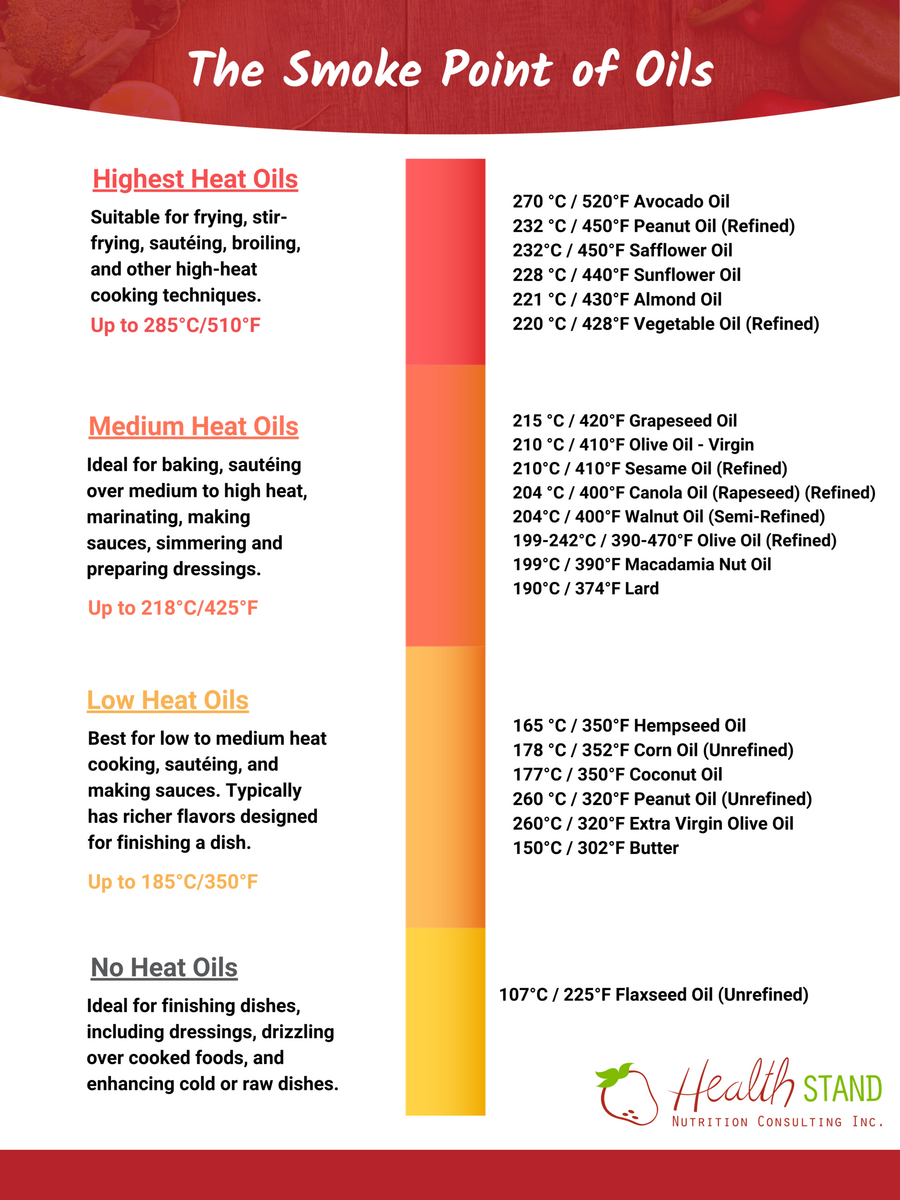
The Smoke Point Of Oils Which Cooking Oil For What
In conclusion, a printable chart cooking oils is a valuable resource for anyone looking to improve their cooking skills and make informed decisions about the oils they use. With a chart, you can learn about the different types of oils, choose the right oil for your dish, and reap the health benefits of cooking oils. Whether you’re a home cook or a professional chef, a printable chart cooking oils is an essential tool to have in your kitchen.
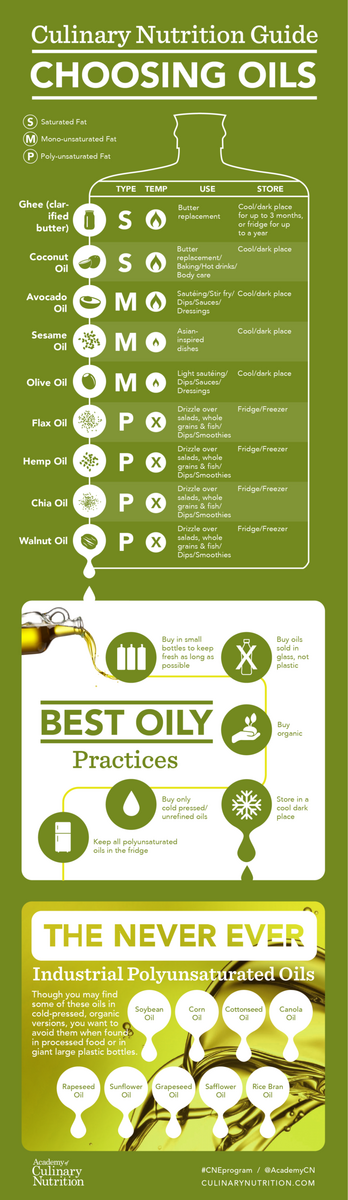
A Cool Guide To The Cooking Oils R Coolguides
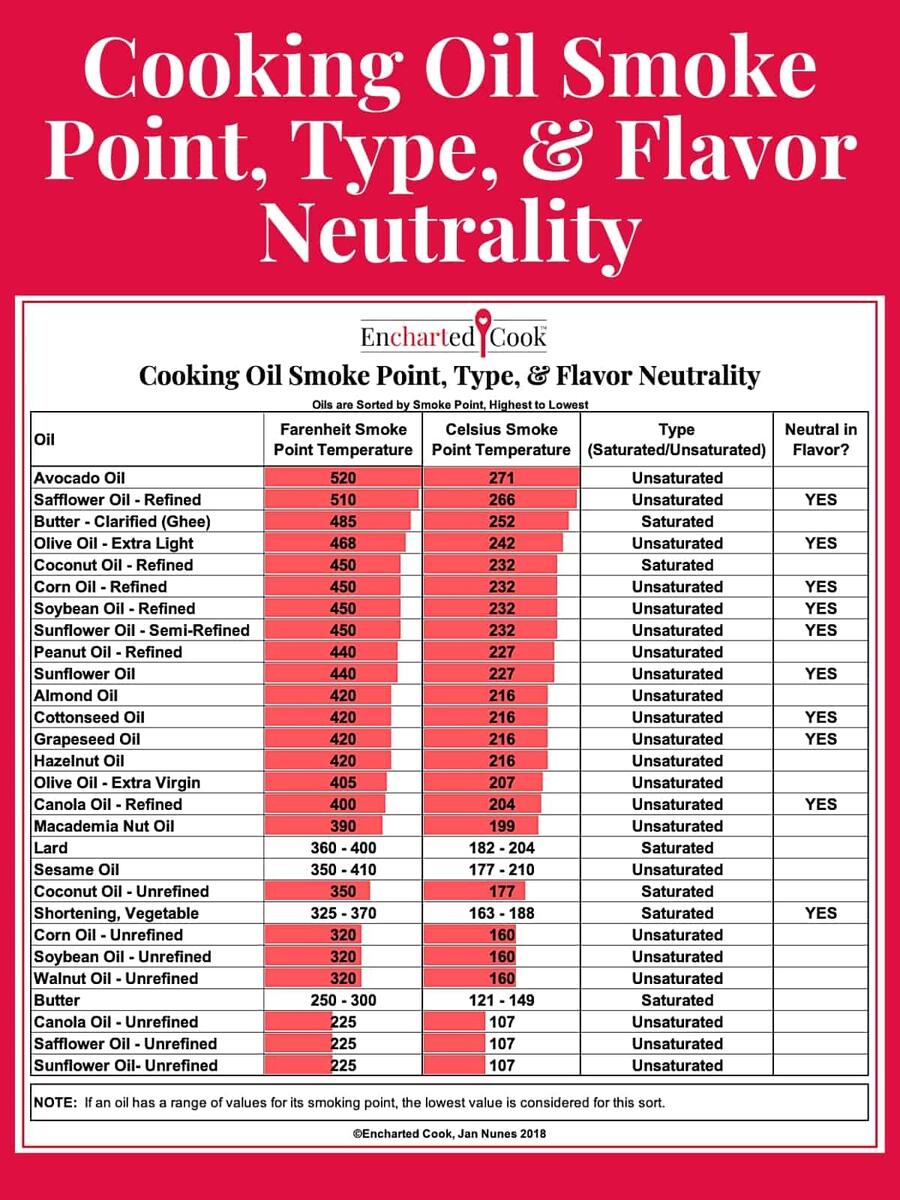
Cooking Oil Smoke Points And Flavor Neutrality Chart Encharted Cook